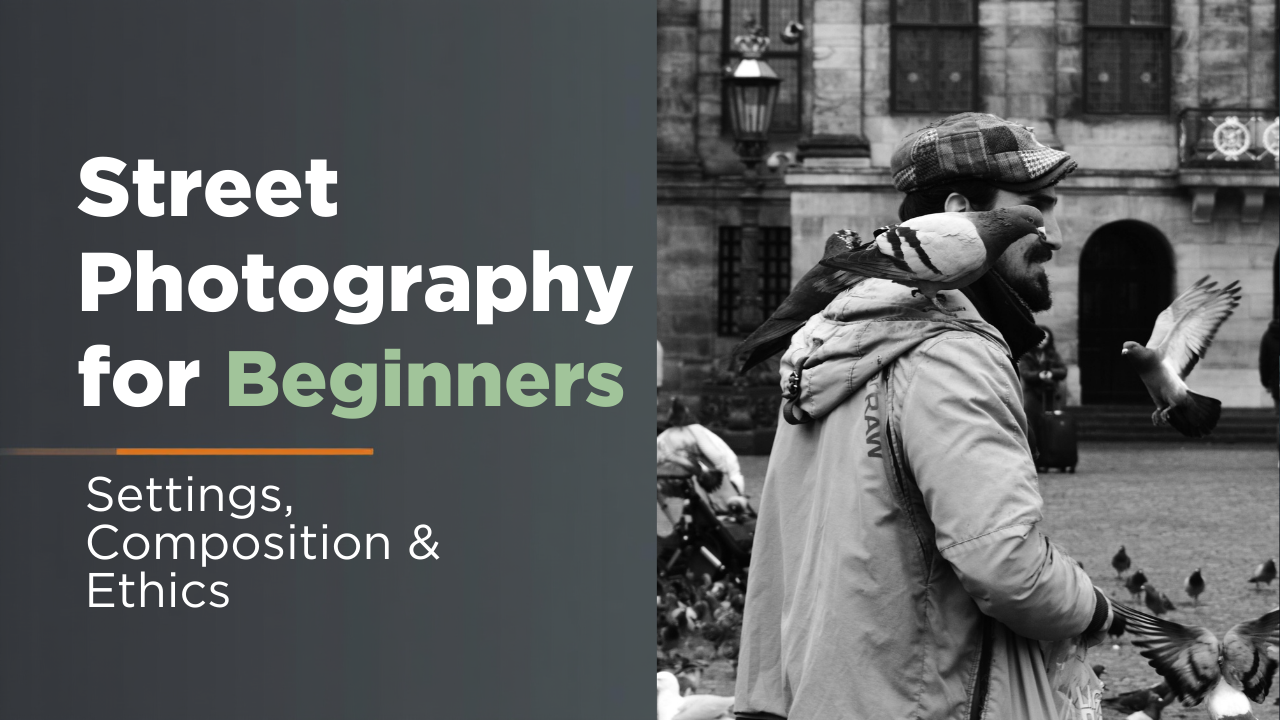
Street Photography is one of the most popular genres of photography in which the photographer captures everyday life in public places.
It might also be one of the most fun and spontaneous genres of photography that is out there.
You can learn a lot about photography while shooting this genre.
It is not only capturing anything on the streets but also capturing the candid moments between the people, in the environment, or anything that is happening around you.
This type of photography is completely dependent on observation, timing, instinct, and other qualities that should be in the photographer to capture such candid shots.
Street photography can serve as a visual record of society, document culture and traditions, and highlight the beauty of ordinary life on the street.
It can encourage or sometimes force the viewers to notice some things that might be overlooked normally.
Now, in this article, we will discuss some settings that can be helpful in street photography.
Beginner-Friendly Camera Settings for Street Photography
The right camera settings can help you get the best results possible, and in the case of street photography, help you stay ready for capturing unpredictable and fast-moving scenes better.
Why Aperture Priority Mode Works Best on the Street
Aperture priority mode is nothing but a camera shooting mode.
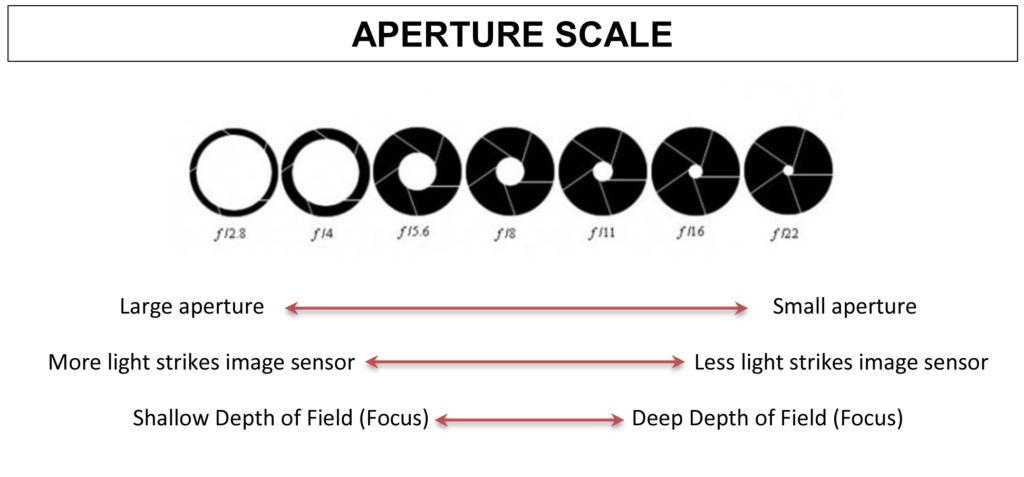
In which the photographer can manually select the aperture, and the camera can automatically adjust the shutter speed accordingly.
You can choose the aperture between f/5.6 and f/8, which offers great sharpness overall and also sufficient depth of field and helps keep the scene clear.
It can even set the ISO to auto, which is generally in the range 100-3200, and can help the camera respond to light a lot better, even in changing light conditions.
There is also a minimum shutter speed of 1/250s, which can freeze motion and avoid the blur that gives your images sharpness.
You can even set the focus to continuous auto focus, which can allow the camera to track subjects as they move in the frame.
Setting the white balance to auto can also help you make quick colour adjustments.
When you start using these settings, you will see that these are perfect for the past-faced and the unpredictable nature of street photography.
Advanced Street Photography Settings Once You’re Confident
Once you are comfortable with the settings, you can move on to more advanced settings, which can make your street photography faster and improve.
How to Use Zone Focusing for Fast Street Shots
Zone Focusing is a technique where you can set the focus distance and then shoot without waiting for the autofocus.
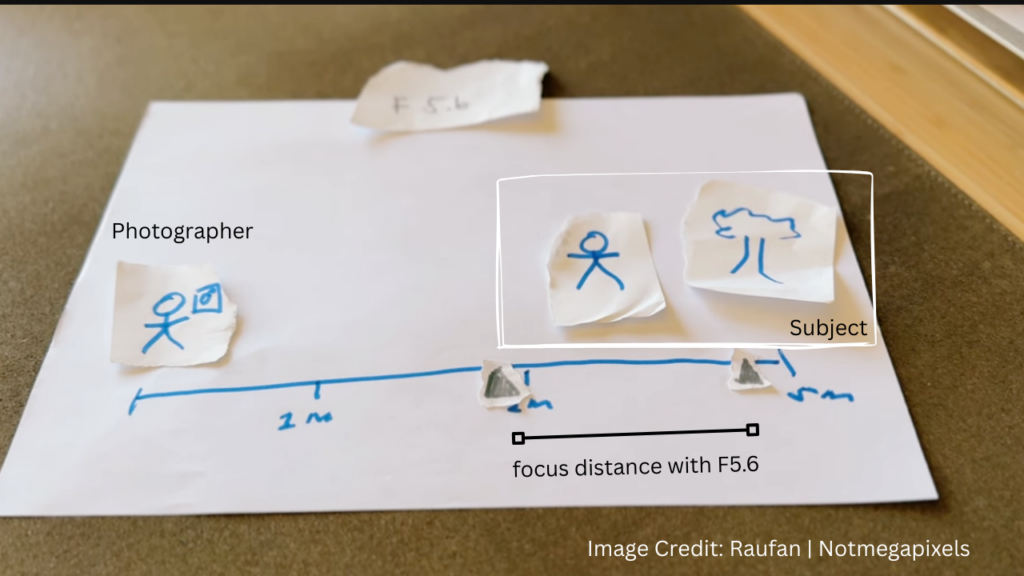
This technique makes it effective to use while shooting spontaneous scenes.
You can use the hyperfocal distance, like for a 35mm lens, you can set it to f/8.
It can help keep everything from about 3 meters to infinity in focus, which can give you immense freedom to shoot anything.
This technique is ideal for busy, fast-moving scenes without any hesitation.
Timing Your Burst Mode for the Perfect Moment
Burst mode is another useful advanced setting that can help you shoot at a moderate speed of 3-5 frames per second.
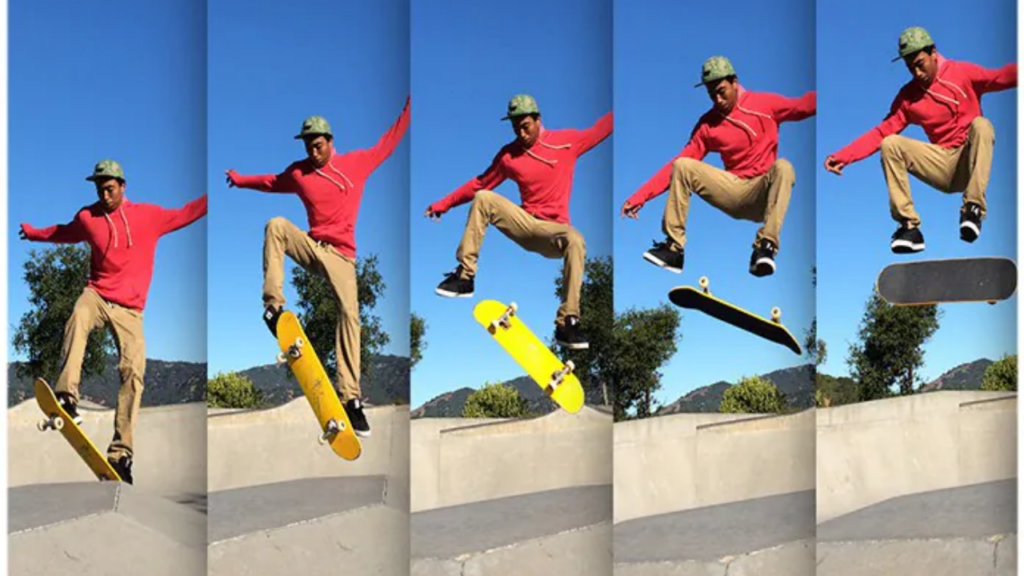
This timing setting can help you capture a sequence of actions as they happen without it being overwhelming with too many images.
Using this, you can have a lot of frames to choose from and hence select the most impactful image and still maintain control over your shooting.
5 Powerful Street Photography Composition Techniques
Some of the most used and powerful composition techniques in street photography are discussed below.
Using the Rule of Thirds and Leading Lines in Street Scenes
The rule of thirds is where there are two horizontal and two vertical lines, and instead of placing the subject in the middle.
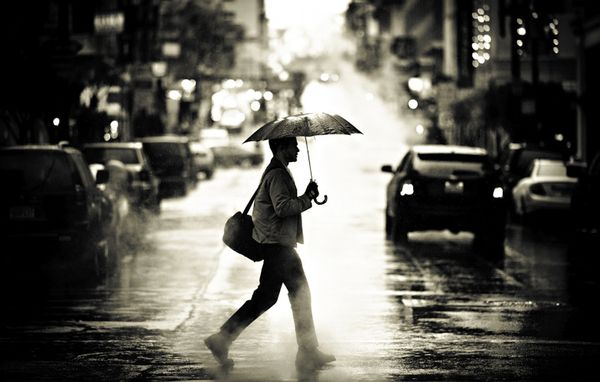
But along the lines or at the intersection points of them.
You can use the roads, pavements, walls, etc, as leading lines and they can draw the viewer’s eye towards the subject.
A good example of this can be a person walking towards a vanishing point.
This can help create images with a sense of direction and purpose, too.
Creating a Frame Within a Frame on the Street
A Frame-within-a-frame is a technique that uses the elements in the surroundings to enclose the subject using things such as doorways, windows, arches, tunnels, etc.

Even shadows, structural edges, or even window silhouettes can act as natural frames for your images.
There are also building edges, railings, and signs that can be used for the same purposes.
The main advantage of this technique is that it can draw the attention of the viewer to the subject and not the distraction.
Layered Street Photos: Foreground, Midground, and Background
Using the layered compositions in your work, you can add depth to the storytelling and to your street photography as well.
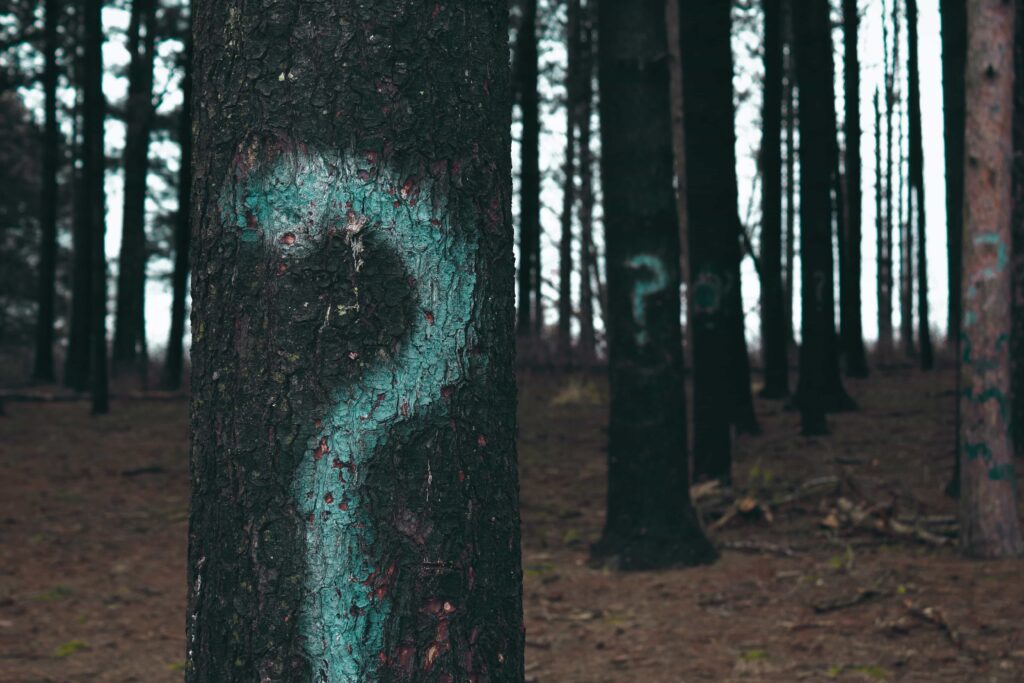
In this, you can use the foreground elements to add a sense of entry to the scene, such as street signs, poles, people, etc.
The midground level can contain the main subject or the action that you want to focus on.
Lastly, the background, mostly cityscape, landscape, architecture, etc, can give some context to your work.
Juxtaposition in Street Photography (Contrasts and Visual Tension)
Juxtaposition, if seen, is placing contrasting elements in the same frame in order to show the differences or highlight the social realities.
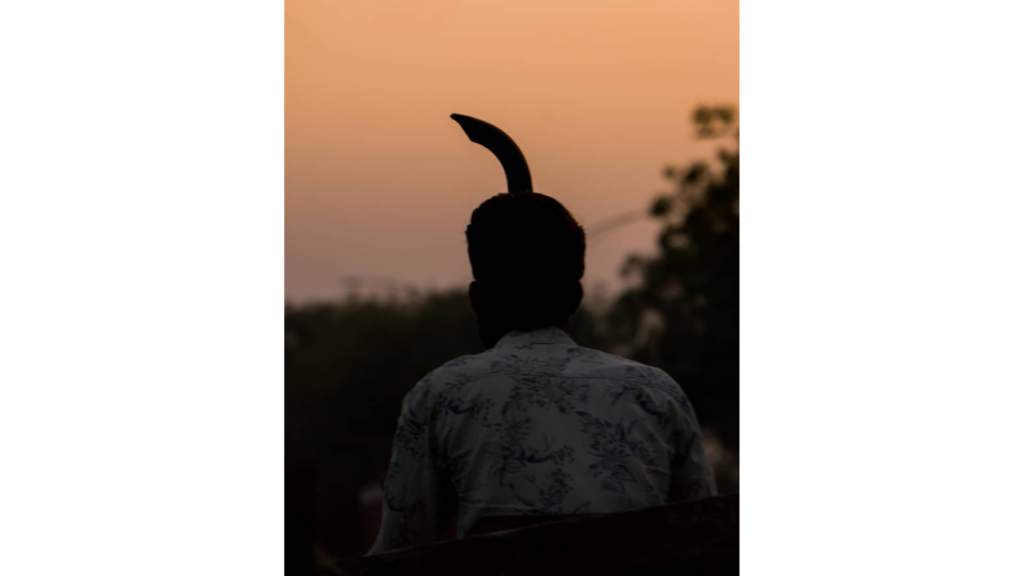
Some daily life examples can be a homeless person in front of a luxury store, or an ancient temple and a modern billboard in the same frame.
You can even use the size contrast, such as a tiny person in front of the massive building.
Capturing the Decisive Moment: Timing Is Everything
As mentioned above, Timing is everything, especially in street photography.
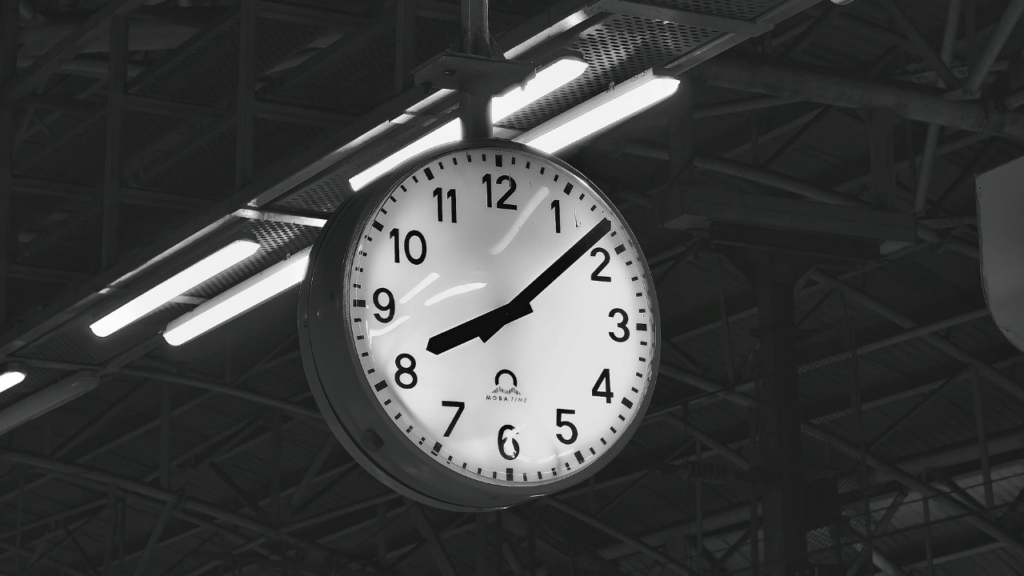
The moment you want to capture should be when the expression, movement, and composition all align; that is the moment you want.
Henri Cartier-Bresson talks about the decisive moment as “The simultaneous recognition, in a fraction of a second, of the significance of an event as well as of a precise organisation of forms which give that event its proper expression.”
You need to practice more and more, and with time, you will learn how to anticipate the action and even pre-visualise.
The best move would be to capture 3-5 frames so that you have the option and can choose the perfect moment and keep it frozen forever.
Street Photography Ethics: 5 Essential Guidelines for Respectful Shooting
Now you’re aware of some important composition techniques that you need to follow while capturing streets, along with camera settings.
But you also need to follow these essential street photography guidelines to ace this type of photography.
Let’s discuss each section in detail so you can master it…
Respecting Privacy, Even in Public Spaces
I know street photography is done in public places only, but still, there is some ethical responsibility.
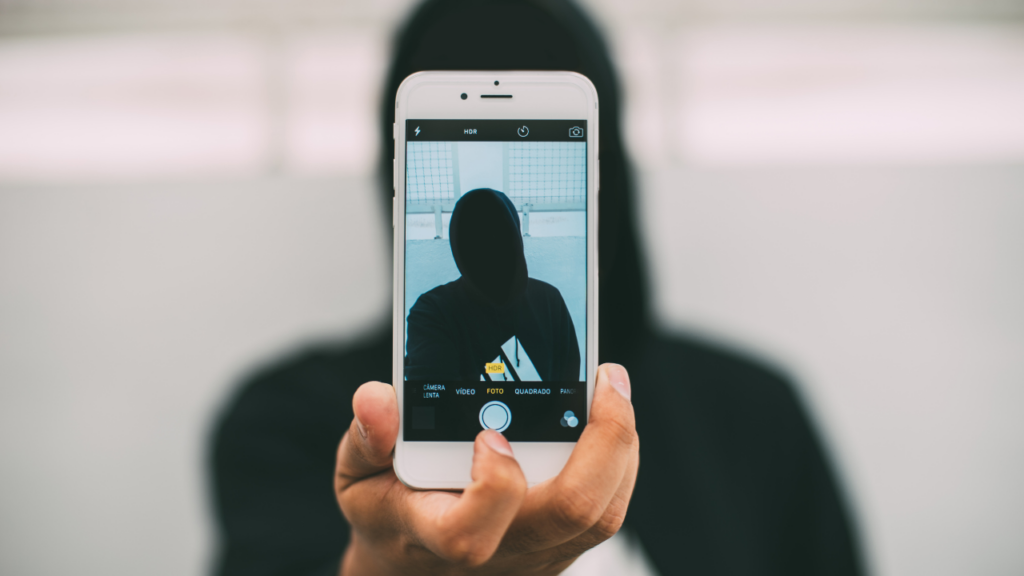
You should not stalk or invade anyone’s personal space.
If you see someone who is uncomfortable, then you should avoid capturing them or delete the existing image.
While capturing children, you should always be extra careful and obtain consent from their parents or guardians.
Capturing images in public places might be fair game, but private moments deserve respect.
Being Honest and Transparent About Your Intent
Honesty is a key factor in almost all niches of photography.
Simple gestures like a smile or even a nod can help you communicate your friendly intentions.
If someone wants to see their picture, you should show them, and if they are not satisfied and want their image deleted, then you should do so.
In order to avoid confrontation, you should not try to deceive anyone and pretend to be a tourist.
A respectful and calm approach can help you have positive interactions with people.
Never Endanger Your Subjects or Yourself
You should never endanger yourself or the subject for a photograph.
No photograph is worth anyone’s safety.
You should not create hazards, never mess with law enforcement, and respect the police too.
Learn to walk away from aggressive situations, as they can escalate and become unsafe and dangerous.
Why Context Matters: Avoid Misrepresenting People
Context is the basic requirement in street photography.
You should always try to show the truth and not manipulate it in any way, not even with editing.
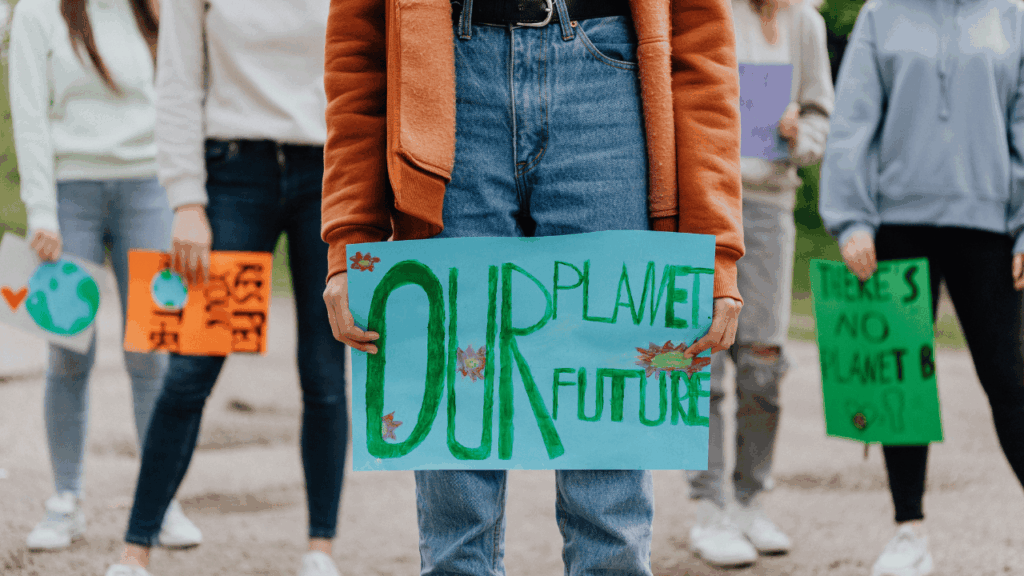
The caption you use should also include time, place, and situation.
There should also be no clickbait involved, and the image should match the description.
Legal Basics: Know Your Street Photography Rights
As a photographer, you should be aware of the laws while capturing people in public spaces.
It is generally legal worldwide, but there can still be exceptions.
You might also need a model release if the subject you are capturing is an identifiable individual.
Staying mindful of private property is also required, as you also need permission to shoot in non-public areas.
Street Photography FAQ for Beginners
Got questions about starting street photography? This FAQ covers the most common beginner concerns.
from gear choices and camera settings to ethics and overcoming nerves when shooting strangers in public spaces worldwide.
What’s the Best Camera for Street Photography Beginners?
Some of the best cameras for beginners in street photography can be the Fujifilm X100V, Ricoh GR III, or a smartphone. You should prefer a camera that is compact, quiet, and has fast AF.
Do I Need Permission Before Photographing People?
In public spaces, you need no permission to shoot people, but still, you should be respectful of people and their boundaries. If they are uncomfortable and want you to delete them, you should do so.
Is a 50mm Lens Good for Street Photography?
Yes, a 50mm lens can be used for street photography, but a 35mm lens feels more natural. You can practice with whatever lenses you have available to you.
How Do I Overcome the Fear of Photographing Strangers?
In order to overcome your fear of shooting strangers, you can start with distant shots. To make the subjects comfortable around you, you can smile and nod, practice daily. You will build confidence gradually with time.
Conclusion: Start Your Street Photography Journey Today
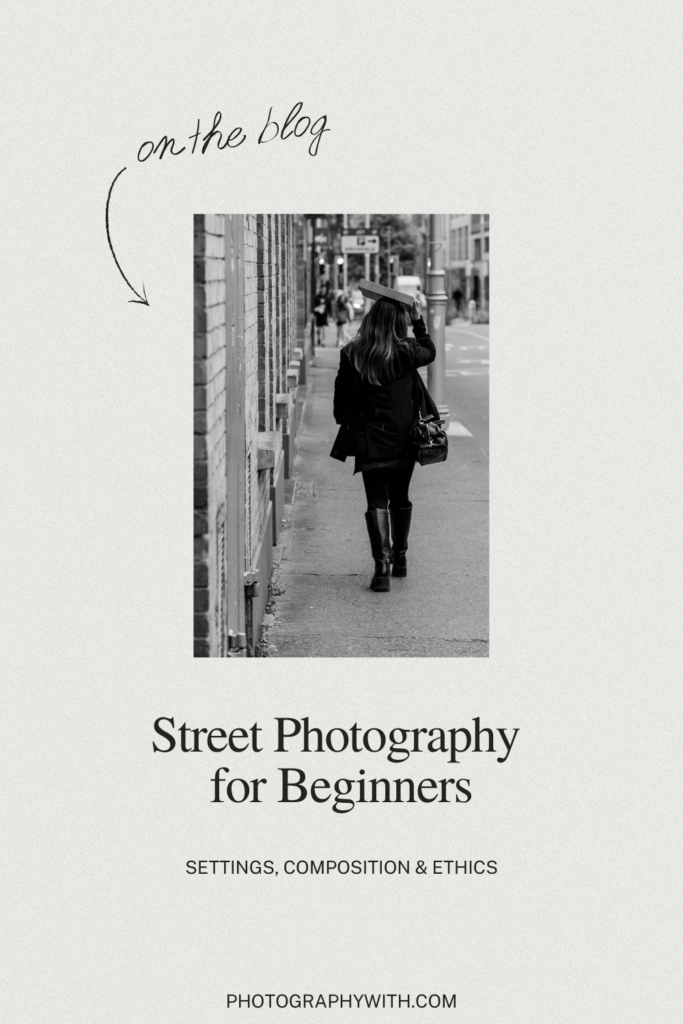
Street Photography can help you slow down and start noticing the world around you.
You can create compelling visuals with the balanced combination of the right camera settings, composition, and an ethical approach.
Practice above all else can help you improve.
So you just have to grab your camera, get to know and try the settings best suited for street photography, like the ones mentioned in the above article, hit the streets, and practice daily.
Every moment on the streets can be the best thing you’ve ever shot.
Ready to master street photography? Practice these techniques this weekend and share your results!
Read more about Photography
- AI vs Traditional Photography | The Complete Guide [2026]
- AI Photo Mastery Awaits | Luminar Neo 75% Off! | In-depth Review
- 12 Canva Tools to Master Your Designs (AI-Based)
- Luminar Neo: Your Path to Professional Photo Editing (AI-based)
- Edit Like A Pro | iPad Video Editing Apps For Creators (Best of 11)
- Important photo editing tips for every photographer | photo editing guide
- Visual Storytelling: How to Tell Stories as Photographer Like Pro