Photography is considered a modern skill. Today, everyone has access to a camera and almost everything needed to create great art.
Photography is not considered just a hobby anymore.
Today, artists use it as a powerful tool to tell stories, capture the moment, and even invoke some strong feelings in the viewer.
It is not just an art though it also includes a hint of science.
To learn photography, it require a great understanding of your equipment, composition, light, and timing.
Whether you are an amateur or a professional, there is always room to learn photography or push yourself to try new things, grow, and experiment with new equipment or techniques.
Nowadays, learning anything has become much more accessible than ever with various online resources.
Best Ways To Learn Photography As a Newbie
In this article, we will discuss the 21 best ways to learn photography, which can make the learning process much easier and help you start your journey.
Know And Practice Your Camera
The camera can prove to be more than just a piece of equipment; it can be a way you show the way you see the world.
Camera is basically the heart of photography.
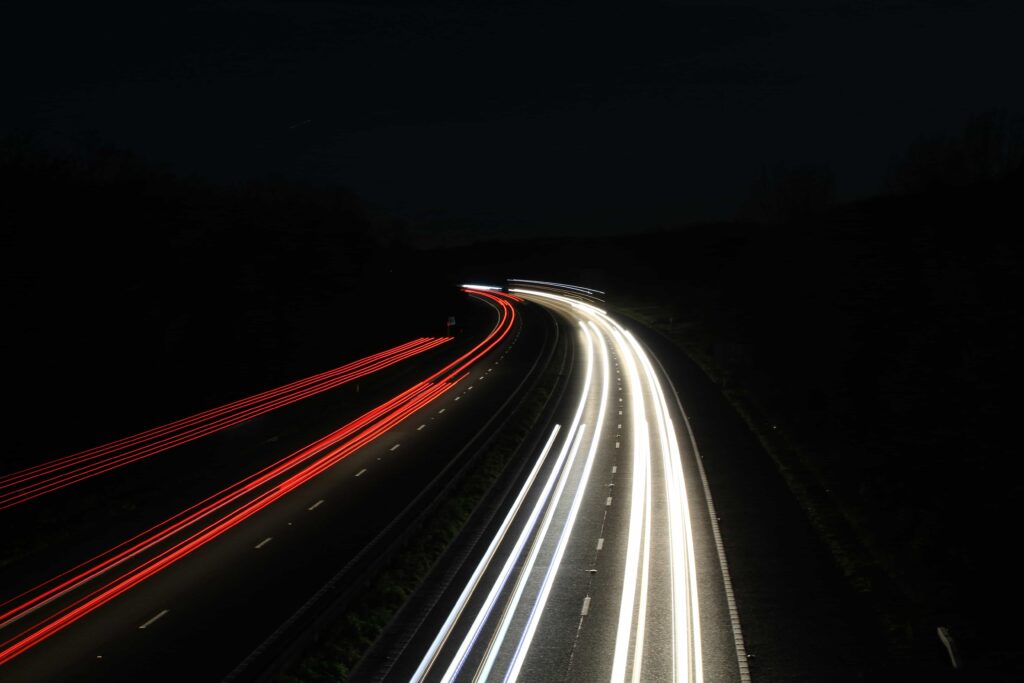
The first step to improving or learning photography can be understanding and unlocking the full potential of your camera.
You can simply start by getting to know the basic controls of your camera, like the shutter speed, aperture, ISO, focus modes, Manual modes, etc.
Before going forward, you need to first be clear and confident while working with the basic settings in any situation.
Then you can influence your images and start experimenting with different settings, and see their effect on your images.
After you have mastered your camera, you will gain the confidence to tackle any type of photographic curveball that comes your way.
You can even try shooting in a variety of environments like indoors, outdoors, in bright sunlight, in low light, golden hour, etc.
After some time, the camera will feel like an extension of yourself or like a second nature.
When that happens, you will be ready to move forward and work on the techniques to capture the perfect moment.
Learn And Study
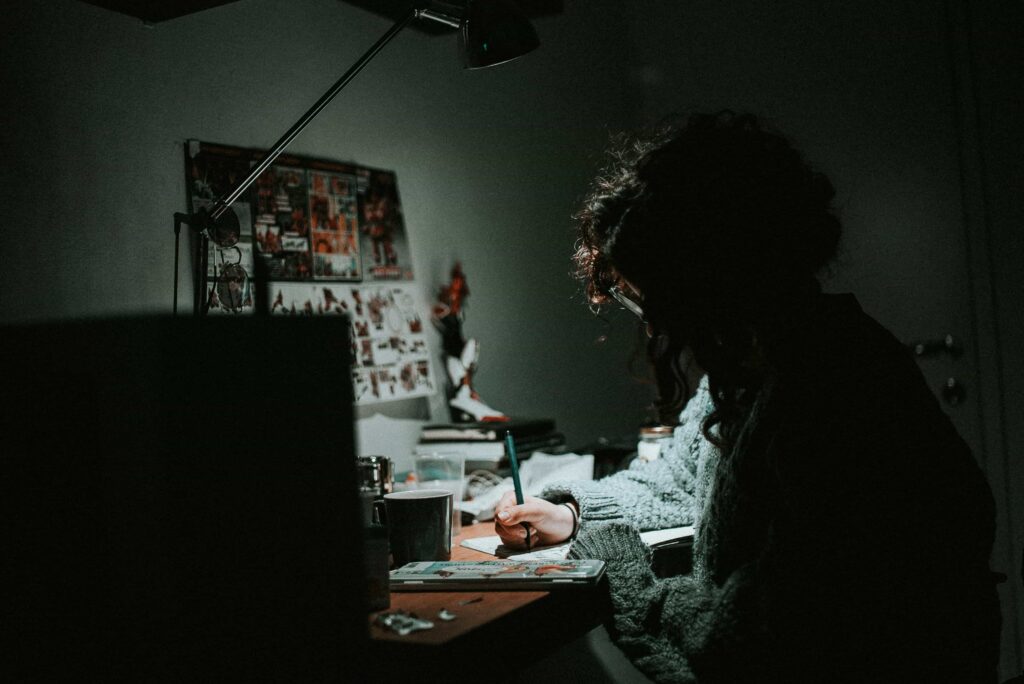
Learning can be a crucial part of mastering anything, which includes photography.
This process can include both gaining knowledge as well as the refinement of the skills with practice.
To learn photography, you need to start by understanding the key concepts, such as exposure, aperture, shutter speed, and ISO, and how these elements impact your photographs.
Before capturing the pictures, it is also important to know in theory what happens when you change a setting and, by how much.
Also, start by learning various rules of composition, such as the rule of thirds, leading lines, and framing, which help give structure to your pictures.
It becomes a whole lot easier if you consider the theory before and then click the pictures according to the situation, and you can save a lot of your time.
You can also consider taking online courses, which are now available quite easily, or in-person courses to receive proper guidance.
Now, almost all of these courses tend to cover basics to advanced techniques and even post-processing skills.
After attending these courses, you can attend various seminars as well as workshops to get more hands-on experience, learn from multiple professionals and learn various techniques.
You can analyse the work of various photographers and understand their techniques, style, use of light, composition, etc.
You can also use this opportunity to experiment with different genres such as portrait, landscape, street, etc.
Practice & Practice More
After learning photography, exploring and understanding the techniques and the equipment, the next step for you is to gain hands-on experience.
You cannot learn everything overnight; you need to put in consistent effort, and you will improve with every shot you take.
Even after learning in thery about it, you still need to implement it, make mistakes and then only you will learn and remember it in the future.
In order to practice, you also need to shoot in different environments and situations so you can gain some experience as well.
The more you get out there and practice, the more technical skills you will develop, along with an artistic eye and confidence.
You can try shooting more and more in manual mode to get a better understanding of the settings.
You can even practice by focusing more on moving objects, capturing pictures in low light, and even experimenting with various lenses.
After each shoot, you can even learn by reviewing your photos and how you can improve by experimenting with different settings, compositions, lighting, etc.
By reflecting, you can learn from your mistakes and improve further. You can even try to seek feedback from friends or critics to get some constructive criticism.
Join A Photography Community
Joining a photography community can prove to be a highly effective way to grow your skills as a photographer and get creative inspiration.
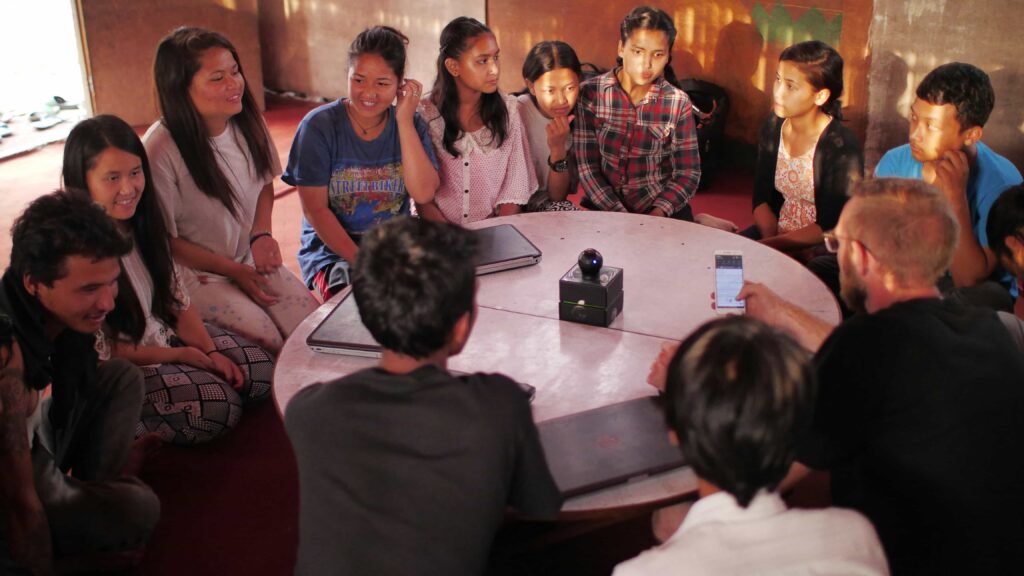
A photography community can help you connect with several photographers, all with their own experiences, styles, expertise, and techniques.
You can learn about photography a lot by observing them working, asking them questions, and even discussing your ideas or questions with them.
you will learn a new thing from almost every photographer in the community, as everyone has a different style and methods.
Mostly, all the communities provide or offer tutorials, workshops, and even various webinars that can help you grow even further.
You can even ask for reviews on your work from the photographers in the community.
As mentioned earlier, constructive criticism can prove to help identify the areas for improvement.
You can even stay motivated to shoot and improve when you keep interacting with other photographers.
The communities sometimes even host challenges and photo content that can push your limits.
You can even build relationships with other photographers, which can lead to professional collaborations and various opportunities.
Other photographers can even recommend you in the future to others if they like your work.
Find Your Style To Master Photography
After starting to learn how to take pictures, you should work on finding your unique style next.
It can be an important milestone in your learning journey. Your style makes an image of you in the viewer’s mind.
Your style is a direct reflection of your vision, techniques, preferences, and even experiences.
You can try finding your style by trying different genres and experimenting with various techniques.
After trying and experimenting your heart out, you can review your work or ask a colleague or a friend to do it for you.
You can even notice a pattern in your work, which can be your style or just give you a clue about your style.
In the end, it’s simply about what you love and what comes naturally to you.
Your style is what makes your work stand out in a sea of pictures.
If you’re confused between choosing a professional camera or your smartphone for the shoot then checkout this quick guide on Camera vs Smartphone Photography: Buyer’s Guide for India 2026.
Collaboration With Other Photographers
Now that you have figured out your unique style the next can be trying to collabrate with others.
Collaborating with other photographers can have a lot of advantages and can help further in the future.
You can learn new techniques such as lighting, setups, post-processing, and many other capturing tips and tricks that you might not have come to know by yourself.
If you choose to work with a photographer who has a different style or niche you can learn a lot from them.
Sometimes, working with other photographers can inspire you to get creative and get ideas to experiment with different styles.
Collaboration allows you to work without spending much as you can share the resources, equipment, locations, etc, and put your heads together and create something no one would expect.
By collaborating, you can engage in creative challenges, which allows you to push yourself to get more creative and experiment more.
You can build lasting relationships while collaborating, and if you stay in touch, you can seek help and have a friend in the community.
Learn To Create Your Portfolio
If you want to make a name for yourself in the photography industry then you need to have a portfolio.
One of the most crucial steps if you want to become a serious photographer is to learn how to create a decent portfolio.
A portfolio is not just a collection of your work but also a representation of your style, skills, vision, and techniques.
You can use your portfolio to apply for jobs or even just to showcase your work to potential clients.
The main and challenging part of creating a portfolio is selecting which images to include and which ones not to.
The rule to live by while creating a portfolio is to choose quality over quantity and choose your best work.
You should include various genres and make them simpler and better by organising your portfolio into categories.
In your portfolio you should show all the niches or genres you can capture to show the clients clealry your potential.
Organising the portfolio can help your client or interviewer to find the type of work they are interested in.
You can also start with your best work and leave a lasting first impression on the viewer.
Post-Production Tools
Sometimes, you can still be unsatisfied after clicking the pictures, even if they are the best ones you could capture.
In such situations you can use post-processing tools and you can improve and enhance such pictures in the post-production process.
As a beginner, post-production can prove to be a bit of a hassle, but it can be a great skill for your future as a photographer.
Nobody expects you to learn everything about the software and the techniques of post-production in just one try, but you can start from the basics.
You can start simple, like learning to adjust the lighting, correcting colours, and removing stuff; you can even create effects that can take your work to a whole new level.
You can start by trying some of the famous post-processing software or apps recommended for beginners, try your hand at them, and start experimenting.
Some software recommended for beginners is Adobe Lightroom, Adobe Photoshop, Snapseed, etc.
Almost all these begginer friendly softwares have user-friendly inteface which can help you learn quickly and in the best way possible.
Checkout this article to improve your Editing skills: Important photo editing tips for every photographer | photo editing guide
Upload Your Work
Now that we are done with everything from capturing the images to editing them the next step is to show your work to the work.
You can start uploading your pictures on different online platforms such as Instagram, Flickr, Pinterest, etc.
Uploading your work can be a crucial step for your photography journey as a student or a beginner.
This can be a great way to showcase your talent, style, creativity, and technical skills.
In today’s time, having an online presence can prove to be essential in the world of photography.
You can establish a brand for yourself using social media, and it can help you attract potential clients and collaborators and also make it easier for employers to find you.
Another valuable aspect of uploading your work online is that you can get a lot of constructive feedback from others, which can make it a whole lot easier for you to improve.
To get feedback on your work just look into the comments below the pictures.
Looking at the comments and having discussions can help you to gain a new perspective and also inspire growth as a professional.
Get Ideas From Magazines
Magazines can prove to be a rich source of inspiration.
Looking at and observing the work of all the professional photographers in the magazine can provide you with a lot of inspiration.
You can learn a lot about photography, pay attention to how the professionals compose their work, and observe how they use the rule of thirds, symmetry, leading lines, etc.
By exploring the images from different genres, you can learn about different styles from each genre.
For example, from fashion photography, you can learn about posing, styling, and the use of vibrant colours; from landscape photography, you can learn how to utilise natural light.
From street photography, you can learn how to capture candid moments and play with the surroundings.
By exploring the different genres, you can broaden your perspective and incorporate various new elements in your work in the future.
Along with inspiration magazines can even be your source of information on the new trends that are being introduced in the market.
Get a Mentor
A mentor can help you in your journey and help you grow as a photographer.
A mentor can provide you with guidance, share their own experience to teach you new things or help you avoid making the same mistakes they did.
They can help make your photographic journey a whole lot easier.
They can even share shortcuts with you or even some tips and tricks that can help you in the future.
You can get great advice that is personalised for you according to your goals, strengths, improvements, etc.
In classes or online tutorials, you get a more general outlook, but with the help of a mentor, you can get direct feedback on your work.
Classes have a lot of students in them and the sttention can get divided but with a mentor you get full attention.
A mentor already has a lot of contacts in the photography world, which can help you open a lot of doors for various collaborations and even job opportunities.
Attend Workshops
Attending workshops can help you enhance your skills, gain a lot of hands-on experience, and you can even connect with other photographers.
You can learn from the experts, which gives you a chance to apply your theoretical knowledge to practical sessions.
During workshops, you can get immediate feedback from your instructor, identify your mistakes, and work on them.
You can be introduced to a lot of new techniques, styles, and even pieces of equipment.
You can even get a chance to experience and experiment with many sophisticated equipment you don’t own.
Using this experience you can make a decision if you want to buy them in th future or not.
Attending workshops can also help you with networking, as there are a lot of like-minded individuals who have the same passion as you for photography.
Read More BOOKS
Books can be said to be one of the basic ways to deepen your understanding and knowledge about almost everything.

Hands-on experience can be important, but you need to have some knowledge to go on doing that.
Practice can be key, but the way you understand theory can prove to take your skills to a whole new level.
Books can provide a lot of in-depth knowledge about a lot of things and also on specific tools and even trends.
Photography books can also include the works of some of the most well-known photographers.
You can learn a lot of new as well as old techniques that might help you capture the best pictures you can.
You can learn the history as well as the cultural context of photography, which can improve your work and help you get a deeper understanding of it.
Checkout out brand new guide on Must-Read Photography Books 2026 for Every Skill Level.
Participate In Challenges
You can even start to participate in some of the photography challenges that happen almost from time to time.
Participating in these challenges can prove to be a way to push your boundaries, stay motivated, and enhance your skills.
You can learn a lot from these challenges, such as you can learn to work in almost every condition.
Challenges can prove to be the most practical and well-known way to sharpen your technical skills.
Photography challanges can even help to get a chance to create a diverse portfolio, and also give you a chance and encourage you to explore different genres and techniques.
In these challanges you can even see how you work under pressure and in different situations.
These challanges can help you get ready for the challanges you might face in the future in the field.
They can even help you connect with a community, whether online or in person.
Manual Mode
The manual mode on your camera can prove to be empowering. Manual mode puts you in complete control of almost every aspect of the exposure.
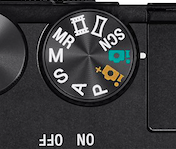
Using the manual mode, you can certainly make intentional changes and also make creative decisions.
You can even adjust almost all the settings independently and get the desired exposure.
In automatic mode, you can get different results due to different lighting conditions, but in manual mode, you can adjust the settings to get consistent results.
Manual mode can help you shoot in changing light conditions, such as moving light, shaded areas, etc.
You can gain a lot of confidence when you start working with the manual mode, and it’s a quick start to learn photography if you know how the camera works.
Using the manual mode you can see what settings has what impact on your work.
Play With Perspectives
Perspectives are the most powerful way you can create visually striking images that can stand out from the ordinary.
You can start by playing with various angles, viewpoints, compositions, etc, and you can simply transform a scene into something extraordinary and also evoke emotions.
Unusual angles can add a dynamic element to your images, and you can elevate them to a whole new level.
You can even start playing with the background and foreground elements and add a certain depth to the images.
You can experiment with a lot of other elements, such as focal lengths, positions, capturing through the objects, etc.
Simply put perspective can tell the audience about the visual relationship between the objects in the frame.
You can even see how the size, distance, the spatial arrangement can be percieved.
Visit Exhibitions And Galleries
You can use exhibitions and art galleries to understand the art form better or even to look for inspiration.
Exhibitions can also be places where a lot of emerging artists go to display their work, and you can learn about something new and the advancements in the field as well.
You can gain a more critical eye by looking at the work displayed at the gallery and even access and compare your work.
The galleries can help you expand your artistic horizons as well and even connect with a photographic community.
You can even get some inspiration and hope that your work gets recognized the same way some day.
Invest In Good Equipment
Equipment can be said to be one of the vital factors needed for photography.
Technique and creativity can be the heart of photography, but we can say that equipment can enhance your ability to capture the images you envision.
High-quality cameras and lenses can result in superior image quality.
Investment in good-quality equipment can prove to be a great investment for the future.
You can find that in the future, basic equipment can limit your ability to explore certain styles or techniques, but if you invest in good lenses and a camera, you can expand your creative possibilities.
It’s not like you should buy advanced equipment in the start only but you can start buying and collecting advance equipment once you are comfortable with the basic ones.
Good tools can help you realise your creative vision, improve your craft, and achieve professional results.
Learn About Colour Theory
Colour is the most basic and most powerful tool that can set the mood or evoke emotions in the viewer’s eye.
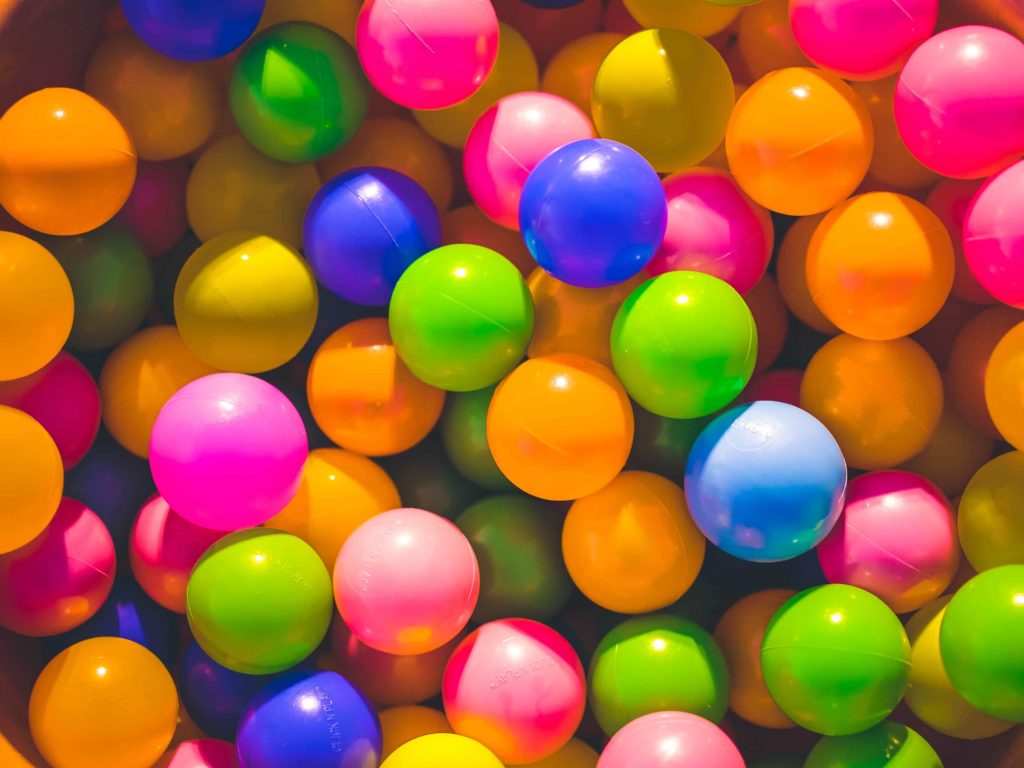
Understanding colour theory is the study of how colours interact with each other and how they can be used to create different effects.
With colour theory, you can even experiment with colour psychology, which explores how different colours affect human emotions.
For example, red indicates passion, energy and danger, blue indicates calmness and stability, etc.
You can use colour theory in your work and send a clear message to the audience.
Stay Curious And Updated
Photography, like any other field, is an ever-evolving field, and it keeps on constantly changing technologies and techniques.
By remaining curious, you can keep your work fresh and updated and not let the viewers get bored.
Staying updated also ensures that your work remains relevant.
You can try to keep up with the trends by experimenting with different cameras, lenses and accessories to see how they influence your photography.
There are also a lot of new techniques or hacks that photographers are exploring noways that can make your work a bit easier and even get improved quality pictures.
You can try something new with these hacks and trick and see if you like it and want to include it in your work.
HUSTLE HARD
The secret ingredient for achieving anything is the HUSTLE.
The hours you put in creating images and taking risks, putting yourself out there is the thing that makes a name for you.
You can use all the passion you’ve got and use it to fuel your work and give it your best shot.
Hustle is the best way forward, along with consistency.
There mighy be days when you are not motivated to do the work on such days consistency is the thing that keeps you going.
You need to keep going, workinng, capturing images, uploading your portfolio, getting jobs, learning new things, testing and experiencing them.
Basicalling keep hustling and moving forward.
FAQ(s) on How to Master Photography
Some of the most asked questions about how to learn photography as a beginner are answered in the following section.
What equipment do I need to start my journey with photography?
Knowing the type of photography you want to go with can help in making informed purchases for the equipment.
The basic equipment can include the type of cameras, lenses, a tripod and other accessories that are required for the same.
How much is post-production important in photography?
Post-production can prove to be extremely important as a photographer, and it can elevate your images just by a click.
It can enhance colour, correct exposure, or fine-tune anything you find lacking or anything.
Conclusion: Master the Art of Photography One Shot at a Time
Learning anything new can be a challenge and even a journey. Learning photography is also the same, which is exciting.
Becoming a photographer can combine technical skill, artistic eye, and continuous learning.
You can start by understanding that photography can prove to be a powerful skill for storytelling, and the journey is just the beginning.
First thing is to start with basics, get a hold on the basics and then you can move on towards the advanced.
You can learn a lot more by asking the right questions and letting your creativity flourish, and you can continue to capture the world through your lenses.
Along the right path this can be a beautiful journey.
Like any other journey you will surely experience some setbacks but it is important to not lose hope and keep moving foward.
You can learn a lot from the setbacks too such as how to handle problems the right way and make the best out out the situation.
I hope you liked this article on some easy ways to learn photography like a pro and become a better photographer.
Feel free to share this article with your friend who wants to become a better photographer this year…
Read more
- AI vs Traditional Photography | The Complete Guide [2026]
- Top 10 Indian Stock Photo Platforms To Try in 2026 [Paid & Free]
- Types of Camera Lenses Explained: Complete Guide for Photographers 2026
- Visual Storytelling: How to Tell Stories as a Photographer Like Pro
- Top 11 AI Based Photo Editors For Photographer To Try In 2026