The ethics of AI photography are becoming important as AI transforms image capture, editing, and creation.
AI-powered tools now let photographers enhance photos, create completely new visuals, and help with creative workflows that were impossible before.
From removing backgrounds to generating faces and scenes, AI is changing photography.
These new tools can be used to create exciting new things, but they also create problems that we need to think about.
As AI makes the line between reality and fiction more blurred, photographers must think about things like authenticity, copyright, bias, and transparency.
It is very important to understand these issues if you want people to trust you.
This article looks at the ethics of photography, talking about common problems and offering practical advice for how to use it responsibly.
Quick Snapshot
- AI photography includes both AI-assisted edits and fully AI-generated images.
- Transparency and disclosure are key to maintaining trust.
- Ethical use requires avoiding misrepresentation, respecting copyright, and preventing bias.
- Tools like FreePixel enable creative exploration but must be used responsibly.
Core Ethical Principles for Modern Photography
When it comes to ethical AI photography, it’s important to be transparent, honest, and responsible.
This means always disclosing when photos have been edited using AI, avoiding misleading images, respecting copyright, and checking for any biases.
If you follow these rules, AI can boost creativity without losing trust or being untrustworthy.
Understanding AI Photography: What Does “AI Photography” Mean?
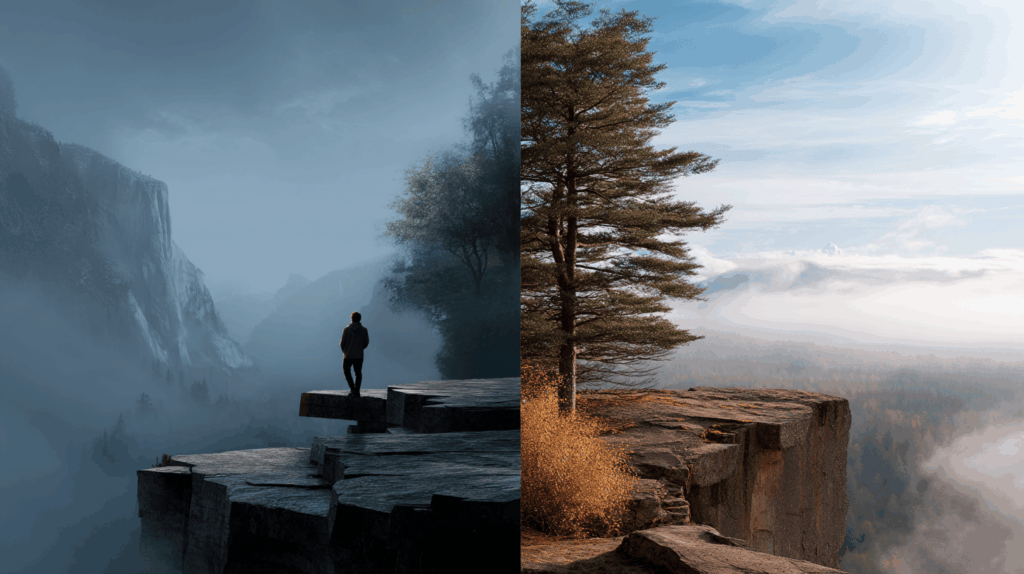
AI photography is all about using artificial intelligence to create, improve or change photos.
It’s more than just taking photos with a camera that uses AI. AI can now help photographers edit images, create new visuals, or improve how they work.
Examples of AI include:
- AI-assisted editing: AI tools can improve lighting, adjust colours, remove unwanted background, and perform complex edits automatically, saving photographers a lot of time.
- AI-generated imagery: You can now create completely new images using text prompts or existing data, allowing you to be more creative.
- Hybrid workflows: You can mix traditional photography with AI-generated images to make unique art or sell it commercially.
Photographers can save time, explore new styles, and push creative boundaries by using AI in their work.
But this also makes us think more about what photography is and if it’s OK to create or enhance content in a way that isn’t natural.
Read more about 7 Best AI Photography Tools 2026: Tested & Reviewed
What is AI-Generated or AI-Assisted Photography?

It is important to understand the difference between AI-generated and AI-assisted photography. This helps us to consider what is right and wrong.
AI-Generated Photography
AI-generated photography is when images are made completely by algorithms, without a camera being used.
These images can be realistic, surreal, or abstract, depending on the AI tool and dataset used.
For example, FreePixel is a microstock platform that also offers a tool that generates images using AI, as well as a collection of visual assets.
You can type in what you want the image to be about, like a landscape, a portrait, or something abstract, and the website will generate a picture based on those instructions.
While AI-generated images can look amazing, they don’t show what’s really happening in the world.
Using these images in contexts that suggest they are real, such as in news reporting or documentaries, raises questions about what is right and wrong.
If they misrepresent something, people will stop trusting them.
AI-Assisted Photography
AI-assisted photography uses a mix of human creativity and AI tools to improve or change existing photos. Here are some examples:
- Remove backgrounds or objects without any gaps or joins.
- Enhancing low-light photos or improving resolution.
- Using creative techniques like Face Swap or Clothes Swap can help you to create a new idea or advertise something.
Even with AI assistance, photographers must be careful to avoid misrepresentation, especially in situations where authenticity is expected.
How AI Tools Are Changing Photography Workflow
AI tools are changing the way photographers work, making them more efficient and creative, and offering new ways to tell stories.
Efficiency Gains
You no longer have to spend hours retouching, colour grading or removing backgrounds.
These tasks can now be done automatically. This means that photographers can focus on the creative and conceptual aspects of their work.
Creative exploration
AI suggests new compositions, generates variations, and enables experimentation with concepts that would be difficult or impossible manually.
Accessibility for Beginners
Beginners and small businesses can produce high-quality visuals with fewer resources, making professional-grade photography more accessible.
Hybrid Storytelling Techniques
AI allows blending real and generated elements for conceptual art or marketing visuals, providing new avenues for creative expression.
While these tools, like canva, offer significant benefits, they also highlight the importance of ethical responsibility in AI use.
Core Ethical Principles for AI Photography
The growth of AI photography brings up some tricky questions about what it means to be real, who owns it, and how it can be used.
Authenticity & Truth: Does AI Undermine Photography’s “Realness”?
Photography has always been seen as a way to show the truth and document things.
But AI-generated images can create scenes that look real, even though they don’t exist. Here are some questions to think about:
Questions arise:
- Can AI-generated or AI-assisted images be trusted as evidence in journalism, research, or commercial use?
- Does AI manipulation of real photos mislead viewers or distort the truth?
In documentary or journalistic photography, misrepresentation can damage people’s trust in you and in your work.
It is very important to be open about what you are doing whenever you are using AI.
Copyright, Ownership & Attribution Issues
AI makes the question of authorship more complicated. Traditional copyright laws were designed for human creators, so they make it unclear what the legal status of AI-generated content is.
The main concerns are:
- AI-generated images may include copyrighted material from datasets.
- If you say you wrote something, but don’t mention that you used AI, there might be problems later on.
- Licenses for AI tools and datasets, such as those used by FreePixel, must be respected to avoid infringement.
AI-generated images raise questions about who owns them, because copyright laws are designed for human creators.
If you need more information about copyright and AI, photographers can refer to WIPO’s guide on AI and Intellectual Property
Bias, Representation & Misuse — Who Gets Represented, and How?
AI systems reflect the data they are trained on, and this can make images biased.
If the information in a dataset is not organised well, it can lead to problems.
- Misrepresentation or erasure of underrepresented groups. This means that some people are shown in more images than others.
- Reinforcement of societal stereotypes. This is when AI-generated visuals show people, roles, or situations in a biased or stereotypical way without meaning to.
- Misuse for harmful purposes. This includes things like false information and things that try to make people believe something that isn’t true.
The ethics of photography are all about being inclusive and fair.
Photographers should check the results of artificial intelligence (AI), avoid making stereotypes, and make sure that their images represent people and communities in a respectful and accurate way.
When is AI Photography Acceptable and When Should You Be Cautious?
How ethical you are when using AI in photography depends on how you intend to use the images.
While AI offers exciting creative possibilities, we need to think carefully about how it is used to make sure people trust it and believe what they see.
Artistic & Conceptual Use Cases
When it comes to artistic and conceptual work, AI can be used as a creative tool.
Photographers and artists can use AI to explore surreal landscapes, abstract portraits, or experimental compositions that would be difficult or impossible to achieve with traditional photography.
AI tools like FreePixel’s Image Generator and Face Swap let creators try out new ideas and create visually striking work without misrepresenting real-world events.
In these cases, there are almost no ethical concerns as long as the purpose is clearly artistic or imaginative rather than factual.
Read more about AI vs Traditional Photography | The Complete Guide [2026]
Documentary & Journalistic Photography Limits
When taking photos for a documentary or news story, there are stricter rules about what is and isn’t acceptable.
Images created using AI must not mislead audiences. If you misrepresent reality in news, research, or educational content, it can have serious consequences.
This includes spreading misinformation and making the public distrust you and your work.
Photographers in these fields should:
- Disclose any AI involvement in image creation or editing.
- Avoid using AI to fabricate events, people, or scenes.
- Ensure that AI-assisted enhancements do not alter the factual accuracy of the photo.
Read more on AI vs Manual Photo Editing: Complete Guide With Real-Life Examples [2026]
Making Ethical Decisions: A Photographer’s Framework
Before using AI, photographers should carefully consider the following:
- Purpose of the image: Is it meant to be artistic, commercial, or factual?
- Audience expectations: Will viewers think the image is real?
- Potential impact: Could the image cause problems if the changes made by the AI are not explained?
By answering these questions, photographers can responsibly decide where to draw the line when it comes to using AI in their work.
They can be creative when the situation allows, but they must always be honest and truthful in factual contexts.
Disclosure & Transparency: How to Tell Viewers AI Was Used
Transparency is a cornerstone of ethical AI photography.
As AI-generated or AI-assisted images become more realistic, viewers may not always know whether an image was created or altered with AI.
Failing to disclose AI involvement can mislead audiences and erode trust.
Best Practices for Transparency
In an age where AI-generated and AI-assisted images can closely mimic real-life photography, transparency has become a critical ethical responsibility.
Disclosing when and how AI tools are used not only preserves viewer trust but also upholds the integrity of the photographic medium.
Whether you’re enhancing a portrait with AI retouching or creating an entirely synthetic landscape, being upfront about your process helps prevent misinformation, misrepresentation, and potential exploitation.
Include Captions or Metadata
Please make it clear when AI tools were used. Using words like “AI-assisted retouching applied” or “Image generated using AI tools” helps people understand the role of AI in the creative process.
If you put this information into the metadata, it will stay attached to the image even when you share it online.
Differentiate Between AI-Assisted and Fully AI-Generated Images
Not all AI involvement is the same. Edits that use AI, like removing backgrounds or making colours brighter, should be labelled differently from images that are completely AI-generated.
This helps people to trust what they are saying, especially when they are working in a professional or journalistic context.
Be Honest With Clients, Editors, and Audiences
Transparency is about more than just captions.
Photographers should be open with anyone who commissions, publishes, or views their work.
This is especially important in places like businesses, newspapers or schools, where it is important to make it clear when AI is being used.
Use Tools That Support Ethical Workflow
Platforms like FreePixel make it easy to see what is going on by logging AI edits and generating AI usage reports.
These tools can help photographers adhere to the rules without hindering their work.
Best Practices & Ethical Guidelines for AI Photography
Photographers can follow these guidelines to ensure responsible AI use:
Be Transparent About AI Usage
Always inform viewers and collaborators when AI is involved. Labels like “AI-assisted retouching applied” or “Image generated using AI tools” maintain accountability and clarity.
Avoid Misleading or Deceptive Manipulations
AI can create highly realistic alterations, but ethical use requires restraint:
- Avoid fabricating events or people.
- Do not misrepresent the content of real-world scenes.
- Refrain from using AI images as evidence in research or journalism unless clearly disclosed.
Honesty preserves the credibility of photography as a trusted medium.
Respect Copyright and Fair Use
Ethical AI photography requires respecting intellectual property:
- Use AI tools trained on licensed or public-domain datasets, such as those offered by FreePixel.
- Avoid copying copyrighted works or datasets without permission.
- Properly credit third-party content incorporated into AI-assisted images.
These practices protect both the creator and the wider photography community.
FAQs: Ethics and Rules Around AI in Photography
Here are some of the most common and frequanlty asked questions about AI in photography, let’s discuss each one by one…
Can AI-Generated Photos Be Copyrighted or Claimed as “Original”?
Copyright laws are different in each country.
You can’t usually copyright AI-generated content unless a person adds a lot of their own creative ideas to it.
Explain what AI does in your work.
Is It Unethical to Pass Off AI-Assisted Images as Real Photos?
Yes, especially in documentary, journalistic, or commercial contexts.
If you misrepresent something, people may not understand what you’re saying, and they may not believe you.
How Can Photographers Ensure Ethical AI Use?
To make it easy for people to understand what to do, follow the best ways to do things: say you use AI, respect copyright, don’t do misleading things, and consider how things affect people, bias, and inclusivity.
Conclusion: Embracing AI Innovation Responsibly — The Future of Ethical Photography
AI photography is changing the creative world.
Programs like FreePixel’s Image Generator, Background Remover, Face Swap, and Clothes Swap let more photographers than ever make sophisticated visual creations.
But there is also responsibility. Photographers must balance new ideas with being honest and thinking about how their work affects society.
By being open about using AI, respecting copyright, and thinking carefully about where each image comes from, AI can improve photography without losing authenticity.
Generative AI has both advantages and disadvantages.
It encourages people to experiment, work efficiently, and express themselves creatively. At the same time, it makes sure that photography is always ethical and meaningful.
When used in the right way, AI is not dangerous for photography.
It is a tool that can help people to be more creative in a careful and moral way.
More AI Resources for Photographers
- 12 Canva Tools to Master Your Designs (AI-Based)
- 7 Best AI Photography Tools 2026: Tested & Reviewed
- Luminar Neo: Your Path to Professional Photo Editing (AI-based)
- Top 11 AI-Based Photo Editors For Photographers to Try In 2026
- Luminar Mobile Photo Editor Review | AI Features and Mod Myths
- Top 10 Indian Stock Photo Platforms To Try in 2026 [Paid & Free]