I know you love photography (that’s why you’re here), but do you know your camera lens?
Do you get questions like What is a Camera Lens and How Does It Work? often
Don’t worry if you don’t know the answers yet; in this article, I’ll guide you to understand it in a better way.
So, camera lenses are basically nothing but optical lenses that are used in conjunction with a camera body.
Camera lenses are one of the most important pieces of equipment that are used in photography.
To put it simply, it can be said that the camera basically controls how the light enters the camera and how the scene is captured.
And mechanism to make images of objects, either on photographic film or other media capable of storing images electronically.
The camera lens is popularly known as the eye of the camera.
It is the most important element of the camera; without the lens, the camera will be of no use.
The lens is what focuses light from what you see through the viewfinder into a tiny (typically) 35mm spot on the back of your film, DSLR, or Mirrorless camera.
Lens elements are just shaped glass pieces that bend light in specific ways.
If you remove the lens from your camera, the only kind of image you will be able to produce is white light.
Consequently, a high-quality lens can help you capture great photos even with a cheap camera.
A low-quality lens can make the best camera mediocre and the resulting image quality poor.
The basic job of the camera lens is to gather and focus the light reflected from a scene or subject.
As the reflected light rays enter the camera lens and pass through the elements.
The reflected light rays are further directed to the camera’s image sensor.
The function of the camera’s image sensor is to capture the colours and intensity of the light rays that enter the camera through the lens.
The captured light is used to produce the exact image which was viewed through the camera’s Viewfinder or LCD screen when the camera’s shutter release is pressed.
Now you know the basics about camera lenses.
Let’s talk in more detail, or you can say the features of camera lenses, & then some of my favourite & available types of camera lenses…
By understanding the various types of camera lenses and in what situations they work best, you can get the images you imagine quite easily.
Essential Camera Lens Characteristics You Must Understand
Here are some important camera lens features that you need to know before you learn about different types of camera lenses in the market that you can use…
These features are extremely important to understand more about lenses and are essentially the basics of lenses that one should know about before buying one or starting with photography.
Understanding these features can be quite helpful in your day-to-day decisions regarding your work in photography or videography.
These settings can have a powerful impact on your images as well.
Let’s start with the most common one, focal length.
Focal Length: What mm Numbers Really Mean
It is a measurement of the distance between the point of convergence of your lens and the sensor recording the image.
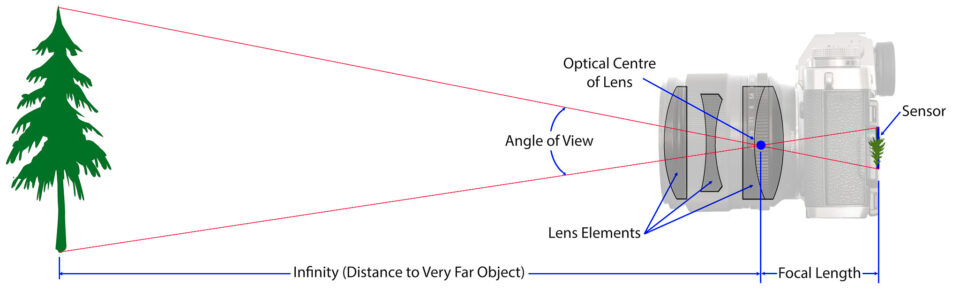
It is the distance from the optical centre of the camera lens back to the image sensor.
The focal length range of a lens is expressed by a number.
This number tells you how much of the area of that scene your camera can capture.
Smaller numbers have a wider angle of view, whereas larger numbers have a narrower angle of view and show less.
The focal length matters both for the photo lenses and video lenses.
A photograph or a video recorded using a 50mm lens will have a drastically different look and feel than one that was captured with a 20mm lens.
The focal length of a camera lens is usually measured in millimetres (MM).
Some of the examples are a 50mm lens or a 70 to 200mm lens.
Camera lenses are categorized as wide-angle, telephoto, and standard focal lengths.
Lenses with focal lengths that are lower than the 45mm to 50 mm range are classified as wide-angle lenses.
As the name suggests, they capture a large area, which works best for landscapes and architecture.
These lenses tend to exaggerate perspective, which means they make the nearer objects look bigger.
There are also standard lenses available, which are around 50mm and give a balanced look to your images.
Now the standard lenses give images which are similar to a natural human perspective.
A lens with a focal length from 50 mm to 95 mm is known as a telephoto lens.
These lenses offer a narrower field of view and tend to bring distant subjects closer.
They also tend to show a compressed background in the images.
Aperture Explained: The f-Number Mystery Solved
The aperture shows how big the opening is that lets the light in.
In simpler words, aperture is nothing but an opening inside the camera lens that can control how much light enters the camera.
Aperture is expressed in f-stop.
It determines how much light is allowed to reach the image sensor.
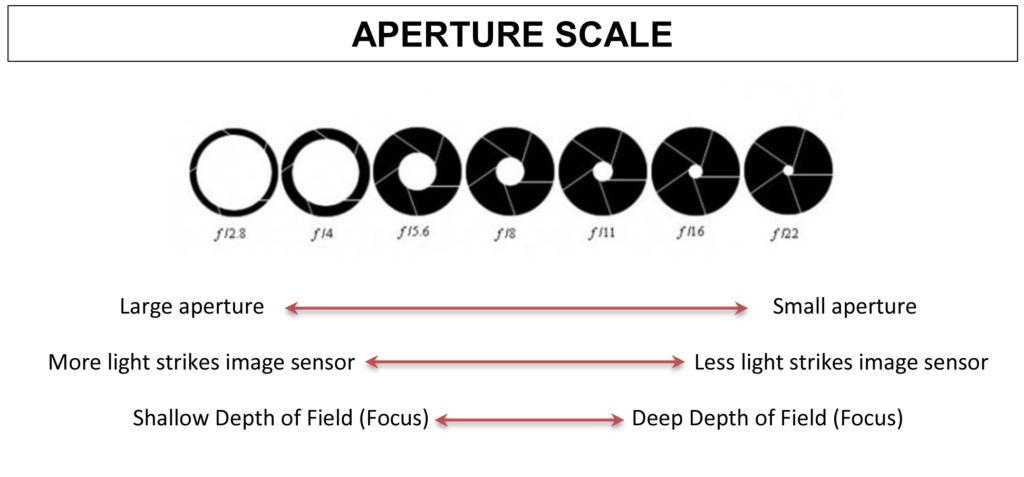
The aperture can be adjusted to make it smaller or larger.
The different aperture settings are called f-stops.
A smaller f-stop means a larger opening, more light and also a shallow depth of field, which means a blurry background.
Small aperture lenses such as f/1.8 or f/2.8.
And a larger f-stop means a smaller opening, hence less light and a deeper depth of field and more focus.
The options of larger apertures such as f/11 or f/16.
F-stops are counterintuitive because the larger the number, the smaller the opening.
For example, f/2.8 allows twice as much into the camera as f/4 and 16 times as much light as f/11.
aperture affects the depth of the field.
Larger openings create a shallower depth of field, while smaller openings make more of the image in focus.
What is Maximum Aperture?
Lenses will list a maximum aperture on the barrel, indicating the maximum width a lens aperture can open.
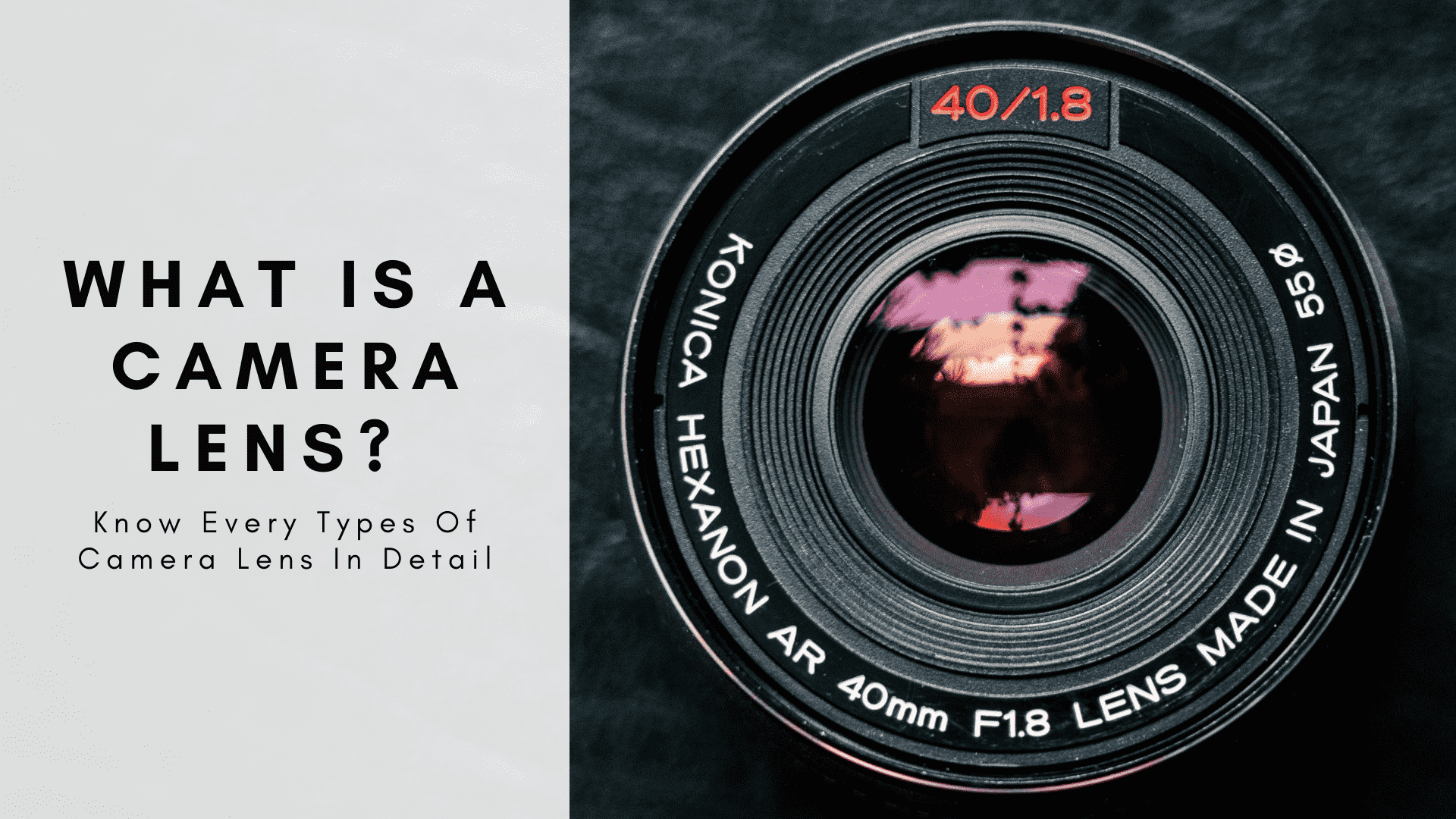
for example, if there is a lens labelled 50mm f/1.8, this means that the focal length of the lens is 50mm and the widest aperture it can attain is f/1.8
Typically, lenses with a wider maximum aperture cost a bit more.
A lens with a wide maximum aperture is great for low-light situations.
So if you are considering night photography, it would be a worthy investment.
As a larger aperture allows for a brighter image and is perfect for night photography.
Depth of Field: Controlling What’s in Focus
Depth of field is basically the range of the distance in your photograph that is sharp and in focus.
A shallow depth of field will give you a blurred background, while a large depth of field will keep everything in focus.
It means simply how much the scene infront of us that we want to capture is in focus.
We can see everything around us with a shallow depth of field.
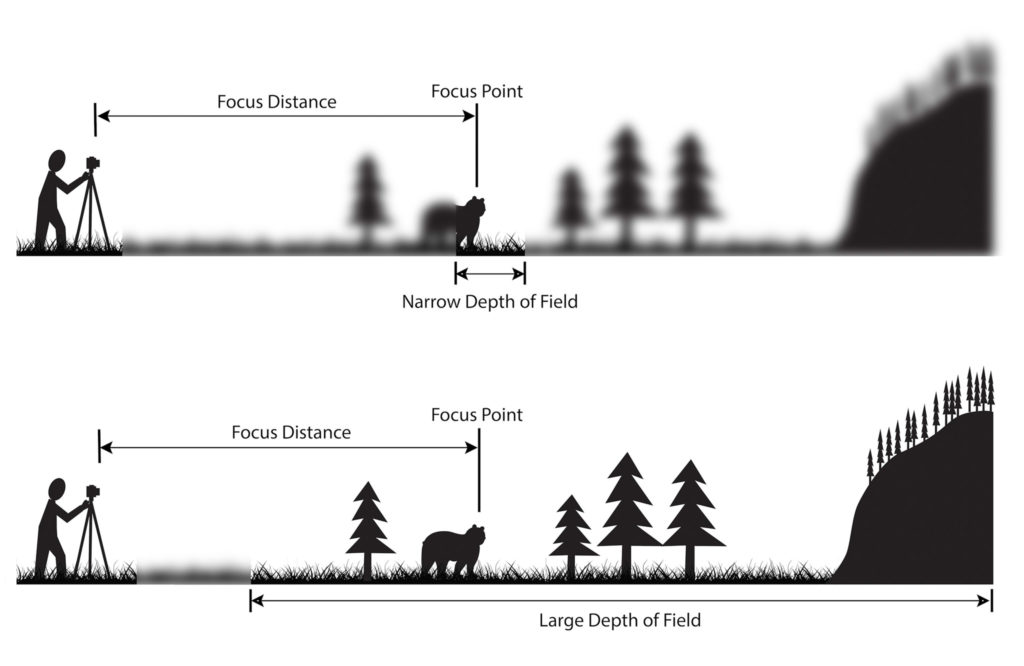
There are two types of depth of fields, shallow and deep depth of field.
Shallow depth of field basically means only the subject remains sharp else the background is blurry.
Or basically just a small desired portion is in focus while the background and the foreground both appear blurred.
There are a lot of ways shallow depth of field can be attained such as a lens with large aperture, longe focal length or placing the distance closer, etc.
Shallow depth of field seems to work best for portarit photography.
Now the deep depth of field means that both the foreground and background remains sharp.
Some ways to get deep field of view are small aperture lenses, short focal length, placing the subject further, etc.
Deep depth of field works best for landscape photography where more sharpness is required.
Your viewer (often) has less imagery to digest, and you can place more emphasis on a specific part of your frame.
Controlling the amount of the scene that is in focus is one of the photographer’s best tools to help draw the viewer’s eye exactly where you want it.
For example, landscapes are typically shot so that everything is in focus, so photographers shoot at small apertures.
The depth of field varies with the type of lens due to the maximum aperture.
Prime vs Zoom Lenses: Which Type Should You Choose?
Now the prime lenses and zoom lenses are the category of lenses based on the zoom they provide.
Some more types of camera lenses are the following…
What is a Zoom Lens? Variable Focal Length Benefits
A zoom lens makes it possible to photograph different views of a scene without changing your position or changing the camera lens.
It is one of the most common lenses that you will need in your photography armoury.
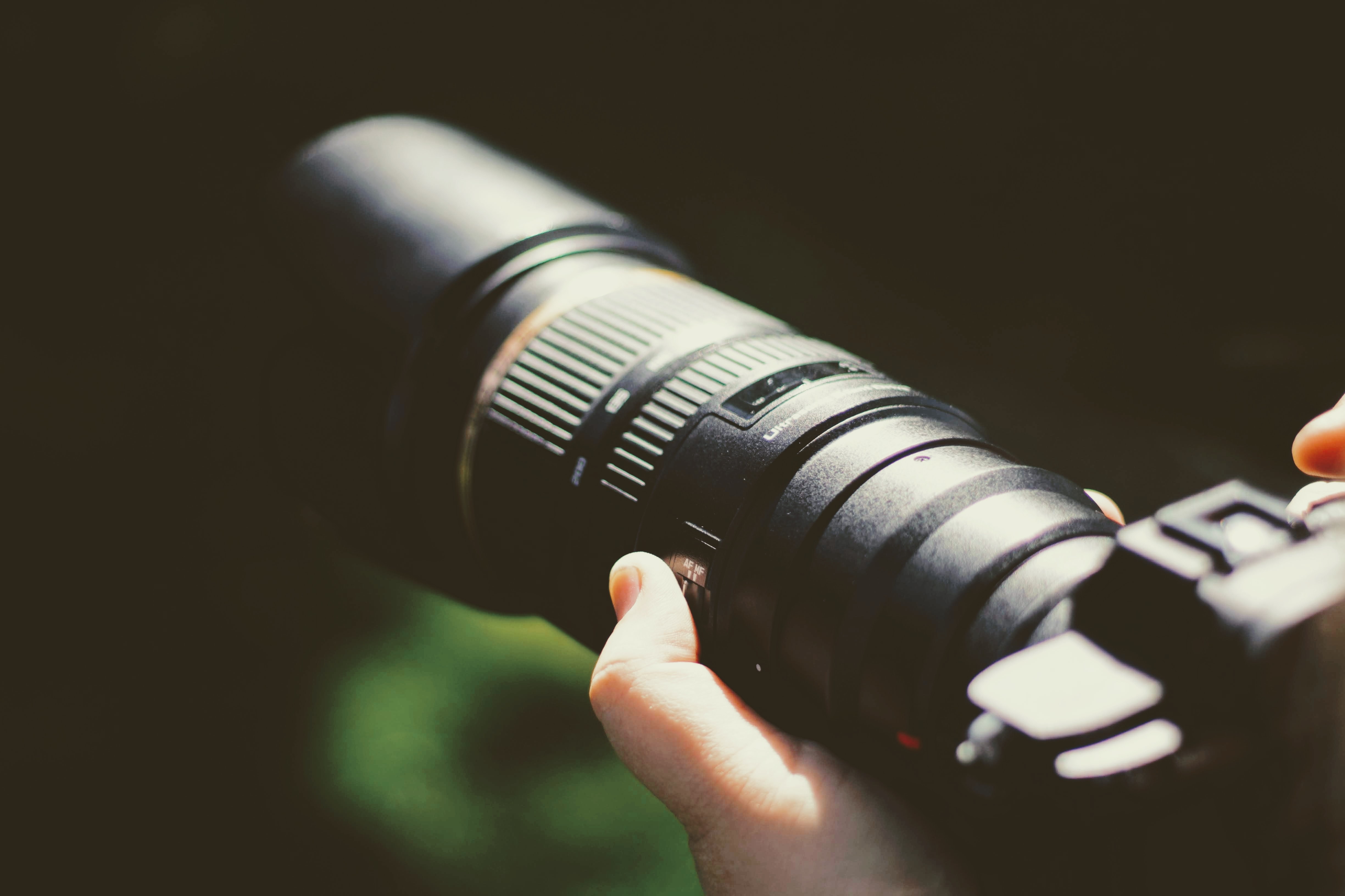
Photo by Joshua Hoehne on Unsplash
Zoom lenses can be used at various focal lengths and are also called variable focal length lenses.
This lens have variable focal lengths.
With a 70-200mm lens, for example, you can zoom from 70mm up to 200mm.
These types of camera lenses are found in both fixed-lens cameras and interchangeable-lens cameras.
The magnification or focal length range of the lens can usually be found right on or around the barrel of the lens.
Zoom lenses are incredibly versatile, with the most popular being the 70-200mm lens that you will see being used by wedding photographers.
Zoom lens range for good quality and adaptability.
It’s the all-around lens that everyone needs to have.
Zoom lenses can work in almost all cases such as landscapes, architecture wide zoom lenses work.
And others such as street, everyday photography standard zoom lenses work great
It can even reduce the need to switch and use a lot of different lenses from time to time.
But there are some drawbacks to zoom lenses as well.
Such as they are larger and heavier, which makes it difficult to carry for a long period of time.
These lenses also have smaller apertures, which can be a problem sometimes.
There is also a slightly lower sharpness in the images obtained.
What is a Prime Lens? Fixed Focal Length Explained
A prime lens is a classic style lens that has been around as long as cameras have.
These types of camera lenses have a fixed focal range, which means that you can’t zoom in or out.
These types of camera lenses have a single focal length and are also known as fixed focal length lenses.
When using a prime lens, the view or perspective only changes if the distance between the camera lens and the subject changes.
In other words, you will have to move closer or further away from your subject to get different views while using a prime lens.
You’re unable to change the focal length of a prime lens; however, you can still adjust the focal distance of the lens via the focus ring.
The main advantage of prime lenses is that they specialise in just one focal length.
In other words, they are finely tuned to deliver on one specific type of photograph, unlike a zoom lens, which can be used in a multitude of cases.
Because of this, prime lenses produce much higher-quality images than zoom lenses in general.
But you need to know in which situations you can use them and which one works the best.
For example, the 50 mm prime lens, otherwise known as the NIfty fIfty, is perfect for portraits, as the focal length is seen to be as close to the human eye as possible.
Another popular example of prime lenses is the 85 mm lens, it is best suited for potrait photography, etc as it offers a strong background blur.
A 35mm prime lens, on the other hand, is usually best employed by landscape photographers.
Prime lenses are very sharp focusing lenses compared to some zoom lenses.
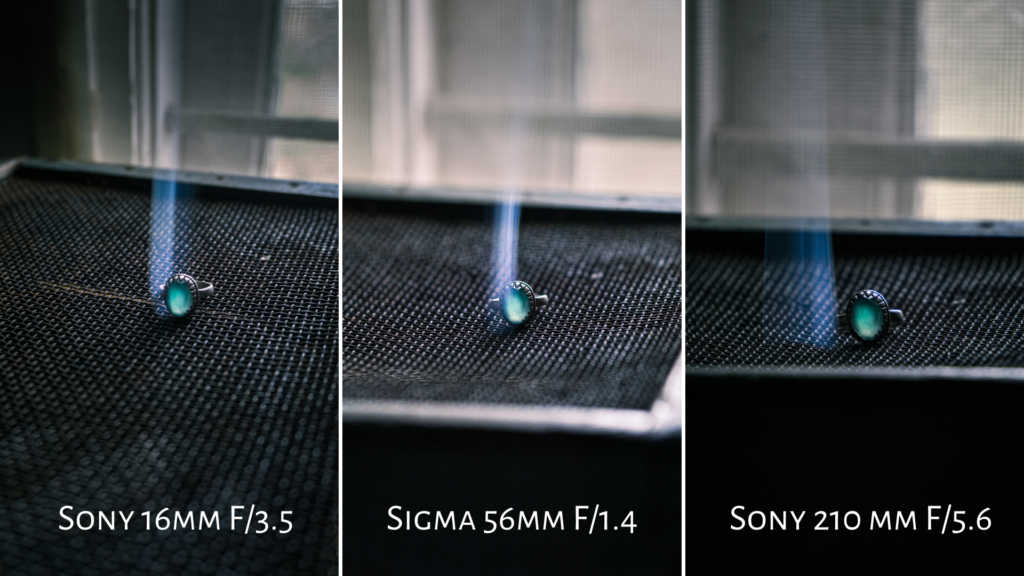
That is partly because there are fewer elements in a prime lens for the light to pass through on its way to the camera image sensor.
These lenses are also lighter and more compact, and hence they are easy to carry with you during long photoshoots.
Prime lenses are also well known in the market for their simple optical design, good image quality.
If you want to use lenses with a large aperture, then also prime lenses can work.
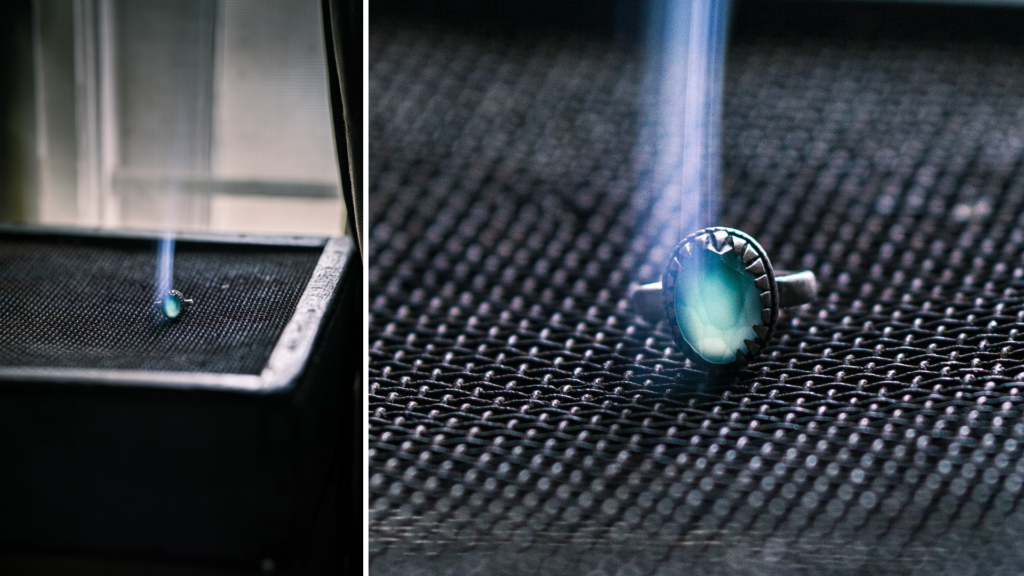
Shot on Sigma 56MM F1.4 x Sony A600
Prime vs Zoom Lenses: Complete Comparison Table
Prime lenses are generally less expensive than zoom lenses and will give you high-quality images without breaking the bank.
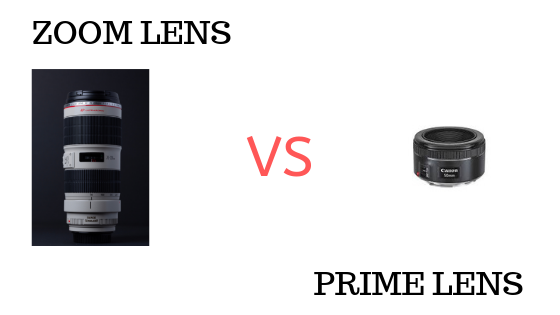
These lenses offer better quality in photos and video.
They are built around a specific number of set parameters rather than constantly fluctuating parameters, like in a camera zoom lens.
Another benefit of prime lenses over zooms is that a prime lens forces you to move the camera to a more intentional angle rather than just zooming in from your last setup.
Prime lenses even have wider aperture and also produce images that are sharper as compared to zoom lenses.
Many prime lenses have large aperture openings, such as F1.8 and F2.4, which make them great for shooting in low light.
The only disadvantage to using a prime lens is that you may have to move in closer or further away to frame a subject to your liking.
(unless you choose to purchase more than one in different focal lengths)
With that being said, just know that prime lenses are available in a wide variety of popular focal lengths such as 28mm, 50mm, 85mm, 135mm, and 200mm, to name a few.
But on the other hand, zoom lenses can offer you a large number of options as to how you want to click your pictures and how much zoom works best.
There are also many Macro prime lenses available to use for close-up photography.
Speciality Camera Lens Types for Specific Photography
Now, in this section, I’ll share some unknown, or you can see uncommon, camera lenses.
These are used for some specific types of photography.
I don’t know, maybe you’ve used these lenses before, but if you’re seeing them for the very first time, then don’t get surprised, that’s fine.
Parfocal Lenses: Focus While Zooming (move from main types section)
A parfocal lens is a lens that remains in focus even as the magnification or focal length changes.
Parfocal lenses allow the user to zoom back out while maintaining the same focus.
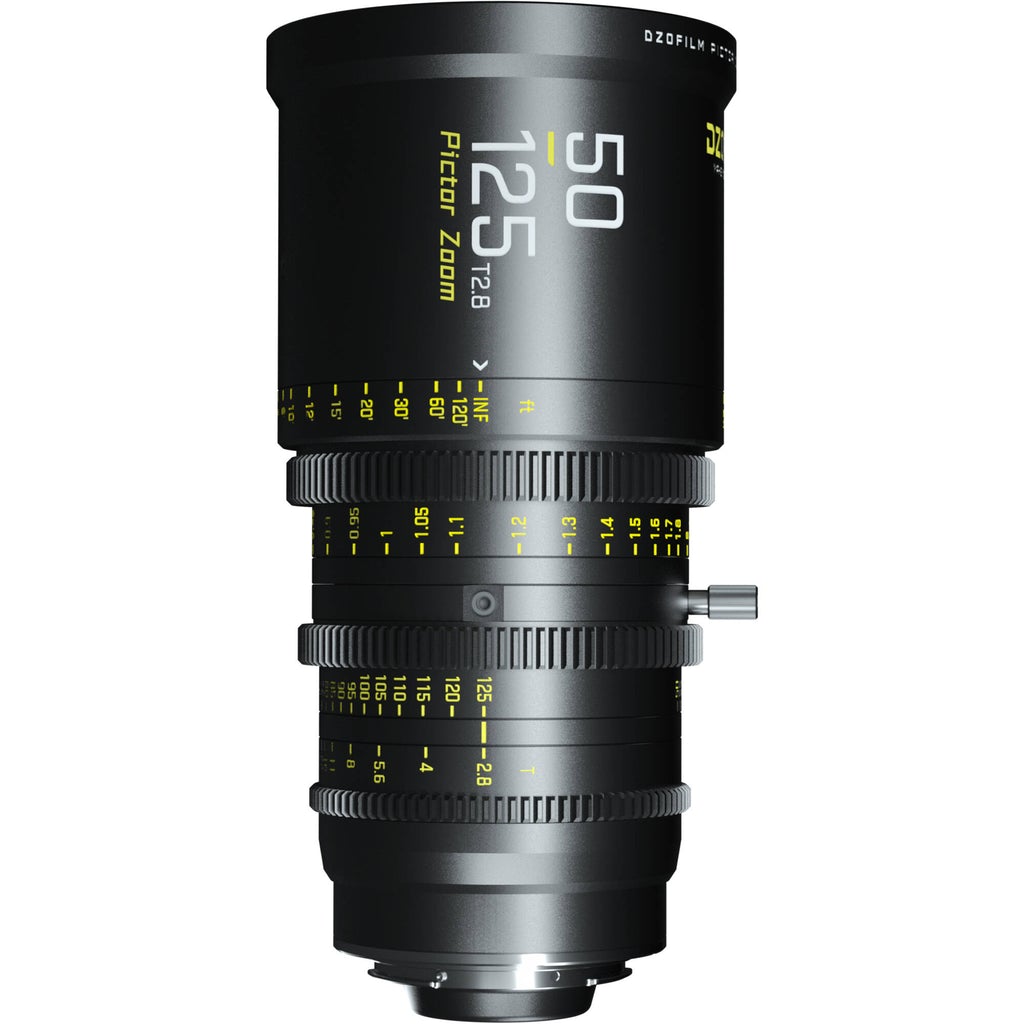
These lenses are not just used in photography; they are also common in telescopes and microscopes.
These type of lenses prove to be quite useful in video production, cinema cameras, broadcast cameras and etc.
Parfocal refers to a lens that will stay in relative focus while the focal length of a zoom lens is changed.
Any lens that is considered parfocal must be categorised as a zoom lens because the focal length of a prime lens cannot be changed.
Standard Lenses (35mm-70mm): The All-Purpose Workhorses
A standard lens has a set (prime) focal length that is around the same length as the camera sensor or film gauge (measured diagonally).
These lenses are known as standard as their field of view is somewhat close to what the human eye can naturally perceive.
For a full-frame sensor, your focal length would come in right around 42mm.
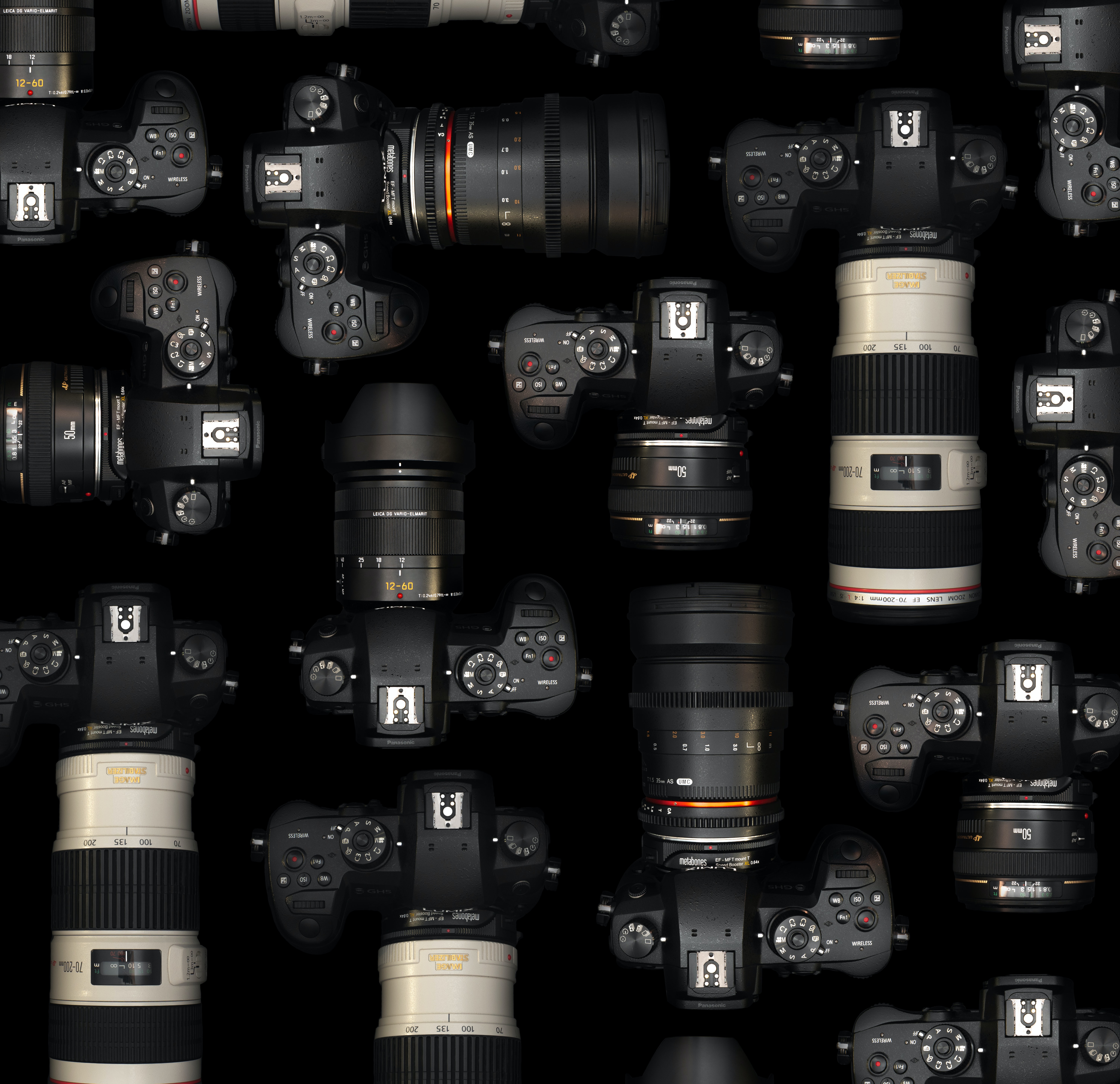
Photo by Dan-Cristian Pădureț on Unsplash
Often, a lens with a focal length that falls between 35mm to 55mm can be categorised as a “standard” focal length.
Standard lenses have a mid-range focal length, usually between 35mm and 85mm.
These lenses offer a fairly accurate representation of what the human eye sees, both in terms of visual angle and perspective.
As a result, images are perceived as more natural than those taken with other types of camera lenses.
These are also known as “normal lenses”.
The human-like viewpoint of these lenses is especially valuable in documentary projects such as street, portrait, and travel photography.
Beyond these genres, this lens is considered a standard lens that every professional photographer must have in their equipment.
Out of the many options, the 50mm prime lens, popularly referred to as “Nifty Fifty,” is the preferred gear choice among professionals and amateurs alike.
Another commonly used focal length is the 70mm lens, which can work as a slightly telephoto lens and can prove to be suitable for portrait photography.
Fisheye Lenses: Ultra-Wide 180-Degree View
These types of lenses are ultra-wide-angle lenses with a focal length between 4mm to 14mm.
The fisheye lenses can capture a field of view up to almost 180 degrees angle or so.
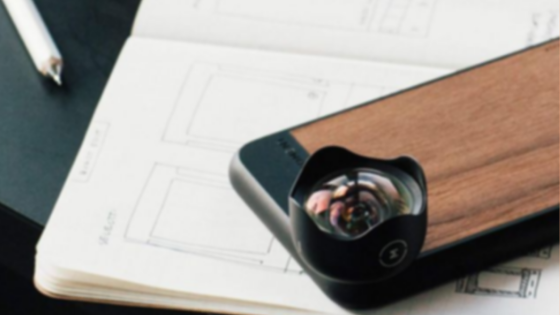
A fisheye lens is any lens with a set focal length that is significantly shorter than the length of the sensor of the film (measured diagonally).
It even has the strong distortion that seems to curve the straight lines.
For a full-frame sensor, your fisheye focal length would be anything below 23mm.
History of the fisheye lens from Vox
They’re most commonly used in abstract photography.
Their unique mapping gives the image a convex appearance and distorts straight lines.
The lowest focal lengths can result in circular images that provide a 180° view.
As you might’ve guessed, their name comes from their similarity to fish eyes.
You can see in the frontal element of the lens that it bows forward to offer a panoramic view.
The singularity of this type of camera lens makes it unsuitable for most projects.
They are a wonderful tool to bring your creative photography ideas to life.
Telephoto Lenses (70mm-300mm): Bringing Distant Subjects Closer
Telephoto lenses have long focal lengths, starting from 85mm or typically ranging from 70mm to 300mm.
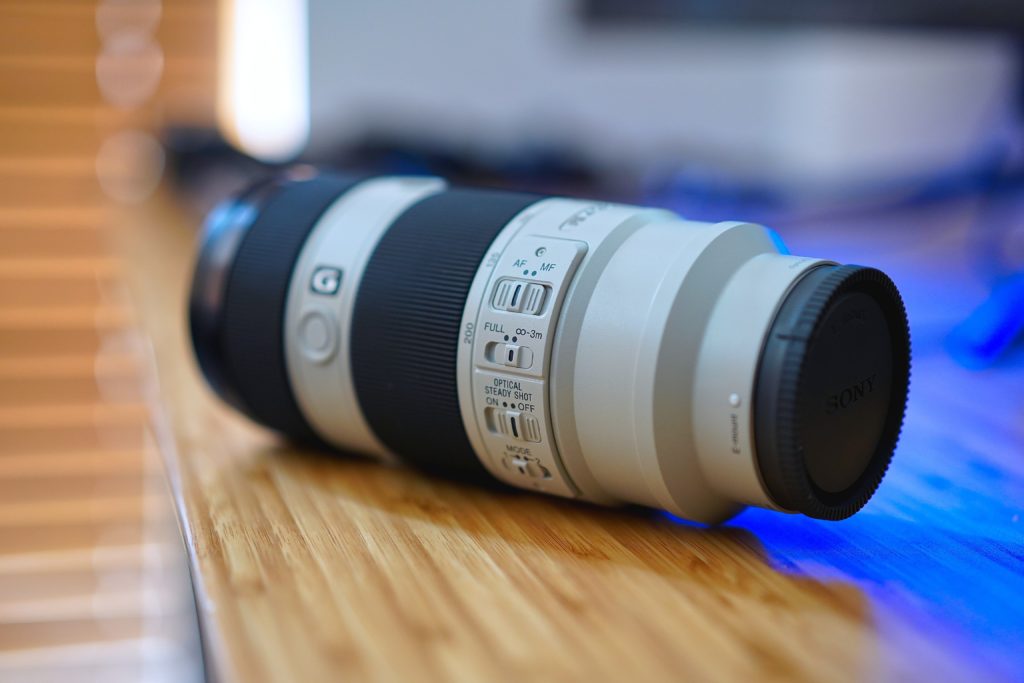
This lens allows you to photograph subjects from a distance thanks to its magnification.
They are significantly heavier and bigger than other types of lenses.
More often than not, it requires the use of camera accessories such as tripods or monopods.
It has a special lens group built inside, known as a telephoto group.
This is because some lenses have a focal length that is greater than the physical length of the lens.
An example of this could be a 500mm lens, but it depends on the physical length of the lens.
Since the depth of field is inversely proportional to focal length, these lenses inherently produce very narrow focal planes.
This makes short telephoto lenses (85mm to 135mm) especially useful for portrait photography.
As the background appears completely blurred.
Some of the most common telephoto lenses include a 70-135mm lens, which works best for portrait photography.
Another is the 135-300mm lens, which is best suited for sports or wildlife photography.
There are even super telephoto lenses which have the range 300mm+.
As this lens can magnify to a great extent, this is mostly used in bird photography.

In other types of photography, they offer the ability to get close-up shots from a significant distance away.
This is what makes these lenses so popular in a variety of fields, such as sports and wildlife photography.
Quick Lens Selection Guide
I know, as many photographers do, you’re still confused and don’t know which lens to pick when you go on a portrait shoot or just on holiday, right?
So here’s a quick guide to pick the camera lens according to your shoot.
👶 Complete Beginners
Start with 50mm f/1.8 prime or stick with your 18-55mm kit lens until you know your photography style.
📸 Portrait Lovers
Invest in 85mm f/1.8 or 50mm f/1.4 for beautiful bokeh and flattering perspectives.
🌍 Travel Enthusiasts
Choose 24-70mm f/2.8 zoom or lightweight 35mm f/1.8 prime for versatility without bulk.
🦅 Wildlife Shooters
You need 150-600mm telephoto zoom or 100-400mm minimum for decent wildlife reach.
🏞️ Landscape Artists
Go for 16-35mm wide-angle zoom or ultra-wide 14mm prime to capture expansive scenes.
💼 Professional Work
Build the trinity: 16-35mm f/2.8, 24-70mm f/2.8, and 70-200mm f/2.8.
Comment below if I missed your favourite type of photography.
Choosing the Right Camera Lens Type for Your Needs
The different types of camera lenses are the most important aspect of the camera; without a lens, the camera is junk.
💡 Pro Tips for Choosing Your Lens
🎯 Start Simple
Don't buy every lens at once. Master one focal length before adding more. The 50mm f/1.8 teaches fundamentals better than any zoom.
💰 Invest in Glass
Lenses hold value better than camera bodies. A good lens lasts 10+ years while bodies become obsolete in 3-5 years.
🔍 Rent Before Buying
Expensive lens? Rent it for a weekend first. You'll know if it suits your style before investing thousands.
⚖️ Consider Weight
The best lens is the one you'll actually carry. A lighter prime you use beats a heavy zoom you leave home.
Each type of camera lens has a specified and limited role.
Some of the most common and some uncommon camera lenses, the type of photography they work best for are talked about in the article above.
It all depends on the photographer and how he/she use it for their benefit.
It is very important to use the correct lens for the particular image and video according to the desirable lens characteristics needed for capturing a moment.
If you’re not good at picking lenses for different conditions, then do enough practice or learn from the best.
You can check out our blog to learn more about photography, or you can search on YouTube for some cool photography tricks.
Yeah, it’s that simple & free way to learn photography.
May you like
- Best Beginner Cameras Under $500 (2026) | Top Picks Reviewed
- Must-Read Photography Books 2026 for Every Skill Level
- Sell Photos Online in India: 10 Trusted High-Paying Platforms
- Top 6 Websites To Sell Photos Online And Make Real Money
- 27 Great Photography Blogs You Need To Follow Today
- 10 Sharp & Easy Editing Tips To Make Any Photo Look Professional
That’s all from my end, I hope you guys liked the way I defined the Camera Lens & each different type of camera lens in detail.
Comment below your favourite & go with the focal length and camera body that you like to use.
Have a good day 🙂