Every artist, at some point, hits a wall or falls into a slump, which also applies to photographers.
The photographer knows about the camera settings, understands the lighting, composes perfectly, the exposure triangle is on point, and the post-production process is also routine.
Yet, after everything is right, the result can still feel flat or predictable.
Some people mistake this for burnout, but it is not that, but a signal to go deeper and learn more.
This is also known as a plateau.
The plateau is the phase where you’ve achieved a technical footing with your work and camera.
It is no longer about perfection, but adding meaning to your work, more depth, more purpose, and more truth in the frame.
Art In Photography: Elevate Your Narrative Storytelling Skills
Now, this article is not about the fundamentals or beginner tips or something, but about the refinement, depth, and intent in your work.
We will discuss the refinements that will elevate your work further with the visual storytelling, intentional composition, and much more.
Now, without further ado, let’s get into it…
Mastering the Why Before the How
Photography, at its core, is not about what something looks like, but what it feels like.
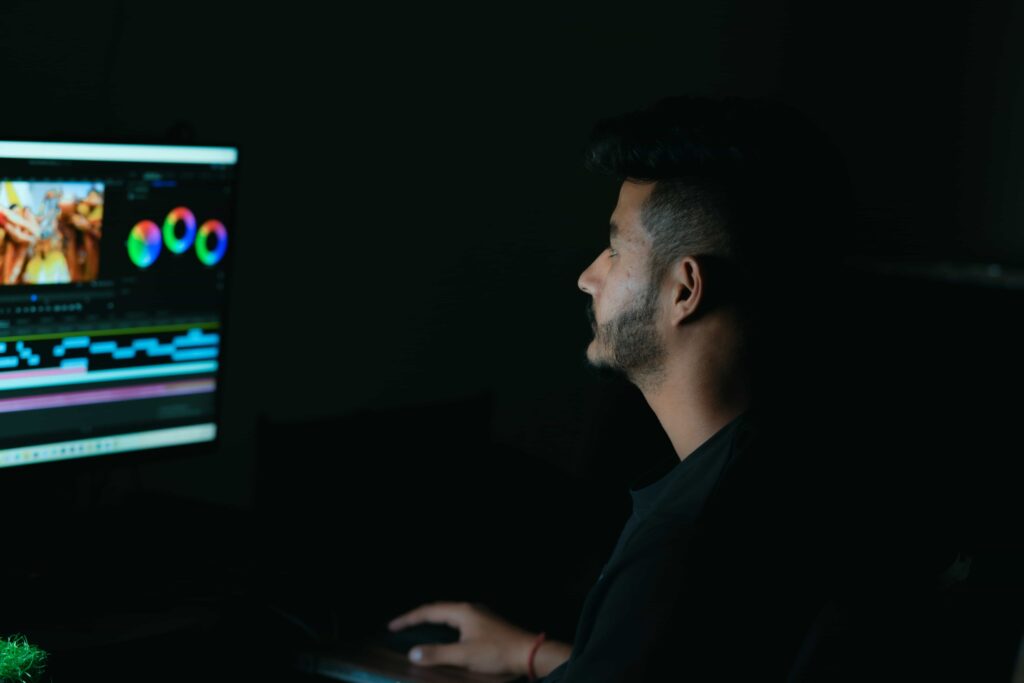
As the photographers move forward in their careers, they start to worry more about the reason they are clicking an image, capturing a moment, and what they are trying to say with their work.
To move beyond the plateau, as mentioned earlier, the photographer must start asking why they take the images they take.
The ‘why’ before the ‘how’ can prove to be the beginning of seeing purposes before aesthetics.
This can also be the start of intentional photography.
The mindset to prefer the intent before aesthetics is primary to the work of famous photographers, who aren’t remembered only for their technical precision alone, but for their storytelling.
Steve McCurry said, “Most of my images are grounded in people. I look for the unguarded moment, the essential soul peeking out.”
His work is emotionally honest, along with being perfectly lit or exposed.
The intent can be said to begin with the pre-visualization, which means imagining before capturing through the camera.
Some questions you can ask yourself before clicking the picture can be: What’s the story? And what emotions do I want to convey?
These questions can help you in clicking the best and meaningful images with your camera, which can tell a story or convey a message.
Photographers should keep in mind the narrative structure, too.
The narrative you want to portray can be changed by what you include in your pictures and what you don’t.
Building Emotional Literacy in Visual Storytelling
If you’re finding art in photography, then Emotional intelligence is the factor that holds the eye of audience to your work.
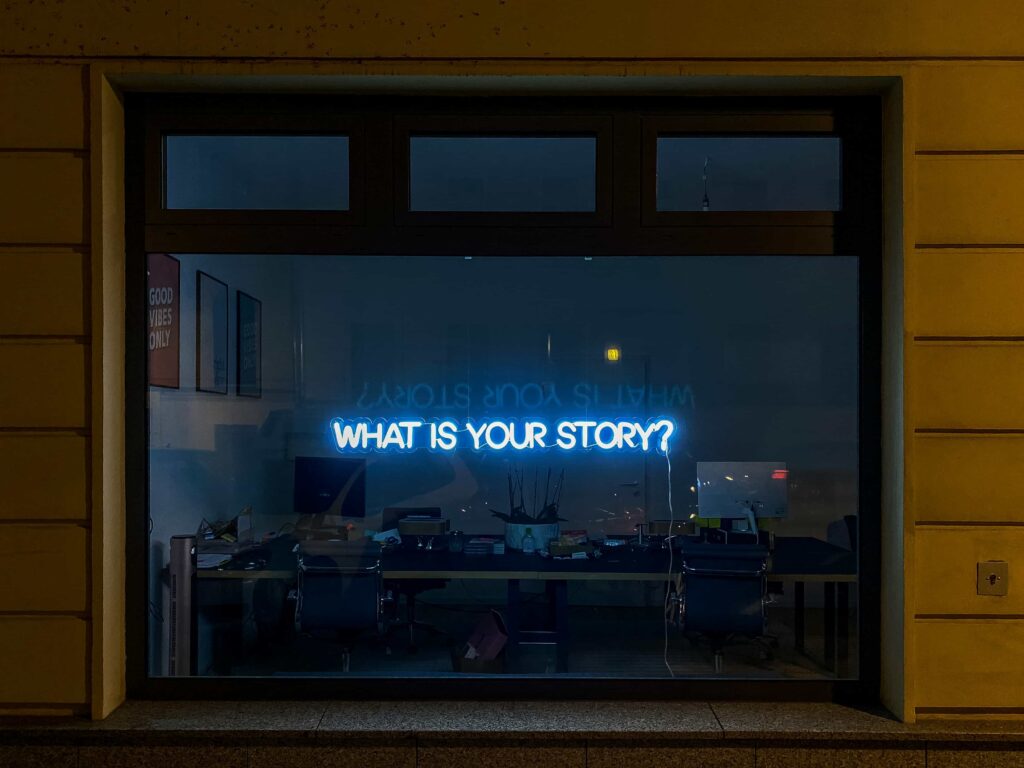
To build emotional literacy for a photographer means tuning your eye and empathy to see what lies beneath the surface and how to capture that.
The feelings of joy, chaos, tension, or solitude aren’t only visual clues but play a major role in the mood and the storytelling of the image.
To capture the true story in the image, you must not just see what’s happening in the image, but also how it feels.
Some techniques to capture the emotions or feelings can be using the long shadows for melancholy, shallow depth for intimacy, or harsh contrast for conflict.
To conquer the art in photography as a Photographer, just remember that Authenticity is key.
A true candid moment can’t be created or staged, but it should be revealed or observed with attention.
You should learn to read the room, anticipate the reaction, but also understand and respect your subject’s space at the same time.
The posed or staged expressions or scenarios can be beautiful, but still can lack the truth of the moment unfolding naturally.
If your subject is uncomfortable, just pause.
Once, I tried to capture an elderly couple, and they felt uncomfortable, so I lowered the camera and decided to ask for permission first.
Limitations That Make You Better
Creative growth happens in adversity and not in comfort.

Art in Photography comes when you grow more & you are forced to make a shift and adapt to your surroundings, and try something to learn something new.
Constraints are said to sharpen the vision.
They force you to see more clearly and think more deliberately.
Shooting with a single lens can force you to learn new ways to work and use the same lens in new and unique situations.
For instance, if you shoot with only a 50mm lens. It won’t allow for much zoom, and hence, you have to improvise and can use your feet as a framing tool.
When you can’t rely on variety, you have to rely on your vision.
You can start by taking on some challenges. One such challenge you can try is to shoot a narrative in just 3 photos with a single lens and in the same location.
The pressure can help you slow down, look harder, and see what can be said with a picture.
Editing for Narrative, Not Just Aesthetic
Editing is the place where the real storytelling begins.

You can arrange the meaning in your images using the correct editing tools.
The editing is about what images work best together in order to carry the message forward.
Firstly, you need to be clear about the message you need to convey and what narrative you want to create for the viewers.
In creating a narrative, every image matters; they work as a sentence in the paragraph, the order matters, the pace, everything matters.
The best shots are the ones that tell a story and create a context.
You can use an exercise like you can lay out or put the 10 scene pictures together, and just focus on the flow.
Narrative editing is all about restraint and rhythm.
The images individually might not feel up to the mark, but they can be the best choice for the story.
Hence, in narrative editing, the sequence should feel like living in the scene to the viewer.
The goal should be clarity, not clutter. As a photographer, just let emotion take the wheel and not the sharpness.
Critical Review & Feedback Loops
There cannot be growth without a certain friendly criticism.
A photographer cannot grow and improve in their work if he doesn’t take feedback from others, be it their friends or coworkers.
Feedback can certainly be a bit uncomfortable and a tough pill to swallow, but it is essential.
Great photographers use the feedback they receive and make improvements to their work accordingly.
A fresh set of eyes can always help you look for things that the familiar ones have stopped seeing.
Criticism or feedback can reveal your blind spot and push you to clarity, and also help you improve in the best way possible.
It can challenge your decision and also help you learn new things, and also better yourself in the process.
You can also look for feedback from your non-photographer friends, who can focus more on the story.
Feedback loops are not about fixing flaws but only about refining the purpose.
You can also look for communities like LensCulture Reviews and many others like it in the market, which can provide you with story-first feedback.
Conclusion | The Evolution Never Ends
Photography is all about patience.
Mastering Art in photography does not have a finish line, there is always something new to learn and something new to chase.
It’s more like a loop that spirals further down. There is always more and more to learn.
In photography, what the photographers want is not the sharp images but the feelings that the images portray.
This journey never ends, it just deepens. Photography isn’t about the race to be perfect, but the art of photography is to keep going and learning, and telling a story with your images.
There is always a new thing for you to learn.
You can start by revisiting a picture you clicked as a beginner and try to work on it.
Read more
- What Is a Panning Shot in Photography & How to Master it?
- Sell Photos Online in India: 10 Trusted High-Paying Platforms
- 21 Unique Ways To Learn Photography For Beginners
- Top 10 Collaboration Apps for Influencers [2025 Edition]
- Important photo editing tips for every photographer | photo editing guide
- Luminar Neo: Your Path to Professional Photo Editing (AI-based)